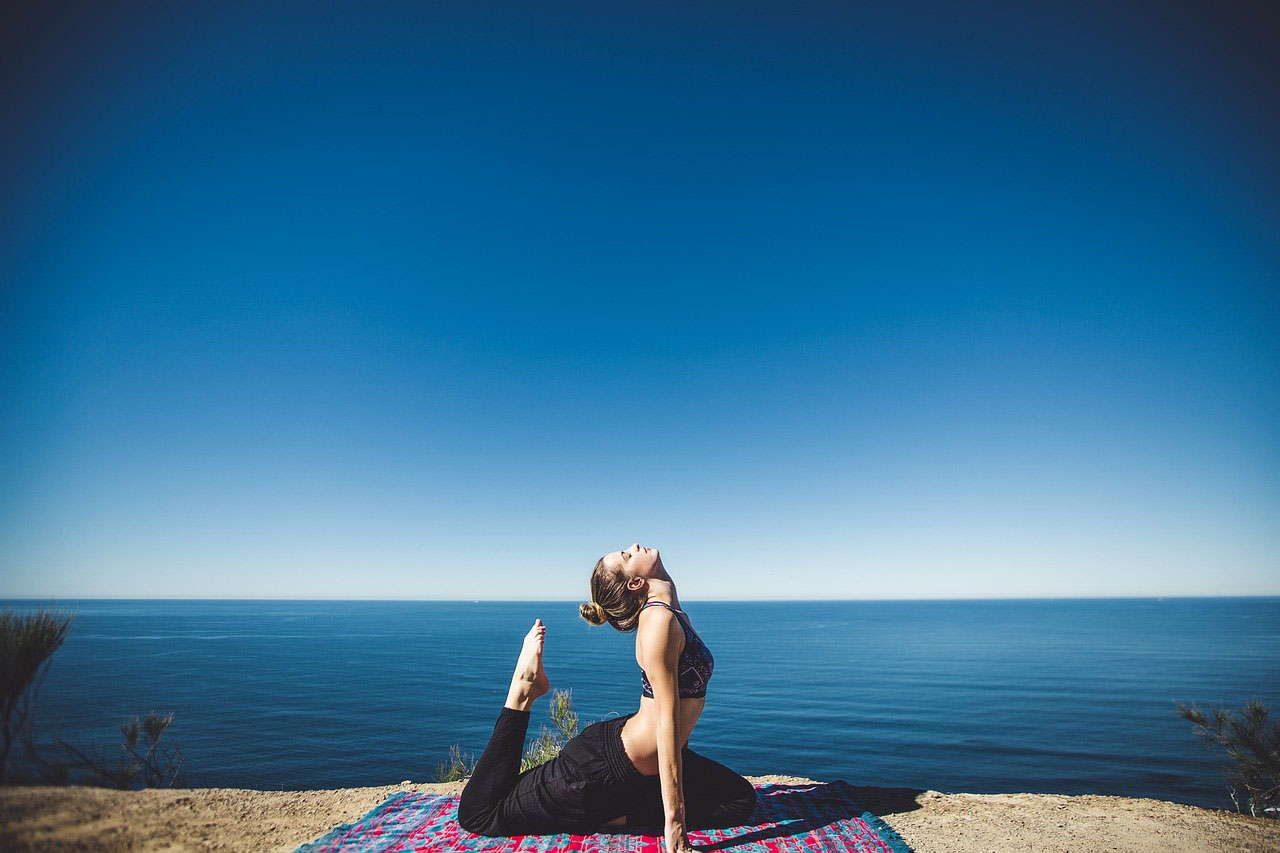


Meditation is a practice designed to slow your mind and calm your emotions. Meditation focuses your mind on an image, a phrase, an object, or a sound. This practice trains your attention and increases your awareness. Although it might sound paradoxical, slowing your mind down during meditation helps you think more clearly and deeply for the rest of the day.
Here are a few guidelines to help you learn the art of meditation, and why you should devote some time every day to get better at it.
Know Your Why
If you’re interested in learning how to meditate, one probable reason to do so is that this spiritual practice offers many benefits.
Some other good reasons to start to meditate include wanting to be less reactive, fulfilling a self-improvement goal, or developing harmonious relationships with others. Meditation is also an effective way to reduce stress, lose weight, and improve focus and concentration.
Regardless of your reasons, it’s useful to identify them because when you have a long enough list of whys, you’ll feel motivated enough to overcome obstacles that would tempt you to quit.
It’s Fine to Feel Awkward
Whenever you learn something new, you can feel awkward. This often occurs with meditation, too, although no one can read your private thoughts as you sit in silence.
Meditation isn’t easy because the mind is like a machine that never stops. Forcing it to stop and focus on something for 15 or 30 minutes feels strange. You will wonder whether you’re doing it right, why you’re doing it, and whether you should be doing something useful instead of just sitting there and humming a mantra or staring at a candle.
So it’s fine to feel strange about meditating. It’s part of the journey. For thousands of years, beginners have encountered that strange feeling of wondering why they’re just sitting there doing nothing.
Meditation Is a Skill
Meditation takes practice because it’s a skill. This may sound strange because you’re not doing anything–but that is an illusion. You’re actually doing something, but it’s something subtle, something you’re not used to doing at all. What you’re doing is learning how to steadily focus on something.
It takes practice to keep your mind on a simple word, phrase, or image. Initially, your mind will wander all over the place, but after many sessions, you’ll notice you’re better at focusing on almost everything you’re interested in most of the time.
3 Reasons People Quit
Although you might start out with the best of intentions, you may gradually drift away from your meditation practices. This could happen even if you’re enjoying peaceful states during meditation and reaping the benefits of a calmer, more focused mind.
Here are three primary reasons people quit meditating:
- They expect too much from meditation. Someone who reads books about yogis and spiritual masters and learns that the key to self-mastery is meditation may feel disappointed with this practice. They aren’t having clairvoyant visions, hearing the sacred sound of the universe, astral traveling to parallel universes, or getting telepathic guidance from ascended beings. Nothing much happens other than witnessing their own scattered thoughts.
- They have no time to meditate. Meditation takes time, and sometimes even 10 or 20 minutes a day of sitting in silence isn’t possible on a hectic day unless you improve your time management skills. So, gradually, the habit of regular meditation disappears entirely from the daily schedule.
- They experience unpleasant inner states during meditation. Meditation isn’t always peaceful. Meditators often feel agitated by unpleasant memories, irritated by environmental distractions, or experience bodily aches and pains.
The way to overcome these reasons to stop is to persist past them. Do your meditation practices even if you’re not getting the results you hoped for. Over time, you will get a realistic expectation of meditation, find time in the day to do it regularly, and slowly move beyond unpleasant inner states.
Ultimately, meditation will make you happier and more peaceful because you will have slowed down your thoughts and calmed your emotions. When you experience your natural state of equanimity, you’ll notice the spontaneous goodness in other people and appreciate more of the beautiful things around you.

I write like I think—fast, curious, and a little feral. I chase the weird, the witty, and the why-is-this-happening-now. From AI meltdowns to fashion glow-ups, if it makes you raise an eyebrow or rethink your algorithm, I’m probably writing about it. Expect sharp takes, occasional sarcasm, and zero tolerance for boring content.