

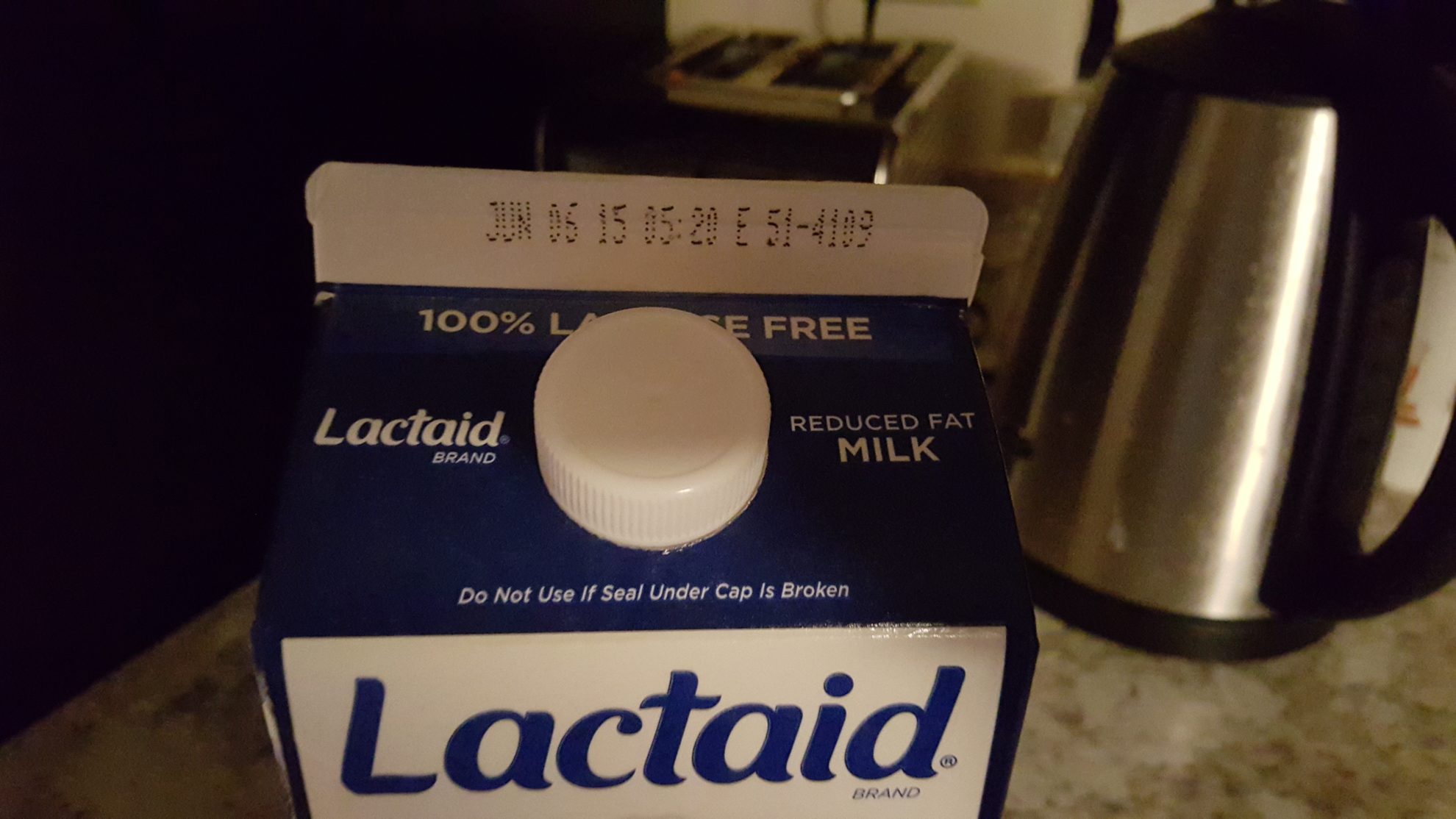
So, what is the difference between the food labels “use-by”, “sell-by” and “best-by” anyway? Believe it or not, the misconception of the meanings behind each one of these “expiration” dates can lead you to waste food needlessly.
Confusion over date labeling leads to billions of pounds of food waste every year. Bob Brackett, PhD CFS, Director of the Institute for Food Safety and Health at the Illinois Institute of Technology and IFT spokesperson explains the difference between “use-by”, “sell-by” and “best-by” dates.
Use-By: This label is aimed at consumers as a directive of the date by which the product should be eaten; mostly because of quality, not because the item will necessarily make you sick if eaten after the use-by date. However after the use-by date, product quality is likely to go down much faster and safety could be lessened.
Sell-By: This label is aimed at retailers, and it informs them of the date by which the product should be sold or removed from shelf life. This does not mean that the product is unsafe to consume after the date. Typically one-third of a product’s shelf-life remains after the sell-by date for the consumer to use at home.
Best-By: This is a suggestion to the consumer on which date the product should be consumed to assure for ideal quality.
Brackett also points out that smell and taste are not good indicators of whether or not a food is safe to eat.
This infographic on FutureFood 2050 includes statistics about global food waste.
Source: Bob Brackett, PhD, CFS, Director of the Institute for Food Safety and Health at the Illinois Institute of Technology and IFT Spokesperson
FutureFood 2050

I write like I think—fast, curious, and a little feral. I chase the weird, the witty, and the why-is-this-happening-now. From AI meltdowns to fashion glow-ups, if it makes you raise an eyebrow or rethink your algorithm, I’m probably writing about it. Expect sharp takes, occasional sarcasm, and zero tolerance for boring content.