



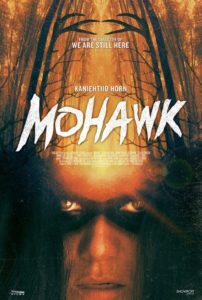
 Born in Ottawa and raised on Quebec’s Kahnawake reserve, Kaniehtiio Horn was nominated for a Gemini Award for her role in the television film “Moccasin Flats: Redemption.” The youngest of seven sisters, Horn earned her Theatre arts degree from Dawson College and has since appeared in a variety of films and TV movies, including “Hemlock Grove,” “The Colony,” and in 2008’s “Journey to the Center of the Earth.” In “Mohawk,” Horn is Oak, a young Mohawk woman who joins her two lovers battling a squad of American soldiers hell-bent on revenge. In this one-on-one interview, Horn reveals her passion for acting and how she brought her Mohawk warrior character to life.
I understand your name translates to “nice snow.” How did you get that name?
Kaniehtiio Horn: Well, I’m Mohawk, my mother is Mohawk, and my dad is German and Scottish/Canadian. My mom was raised traditionally and so was I. And Kaniehtiio was the name I was given by my Bear clan.

What was the turning point in your life where you decided to pursue acting as a career?
KH: It’s going to sound funny, but when I was in grade school, I saw “ACE Ventura Pet Detective.” That was the first time I realized acting was a profession that one could pursue. I didn’t have to become a lawyer like my Dad. I thought, this guy makes people laugh for a living and he gets paid for it—that’s pretty amazing. On my reservation, my high school didn’t offer any performing arts classes. I was a jock and just played water polo throughout high school. After graduating at 16, I went off to college and decided to pursue professional theater. In Quebec, high school only goes to the 11th grade, so I was young when I graduated from college at 19.
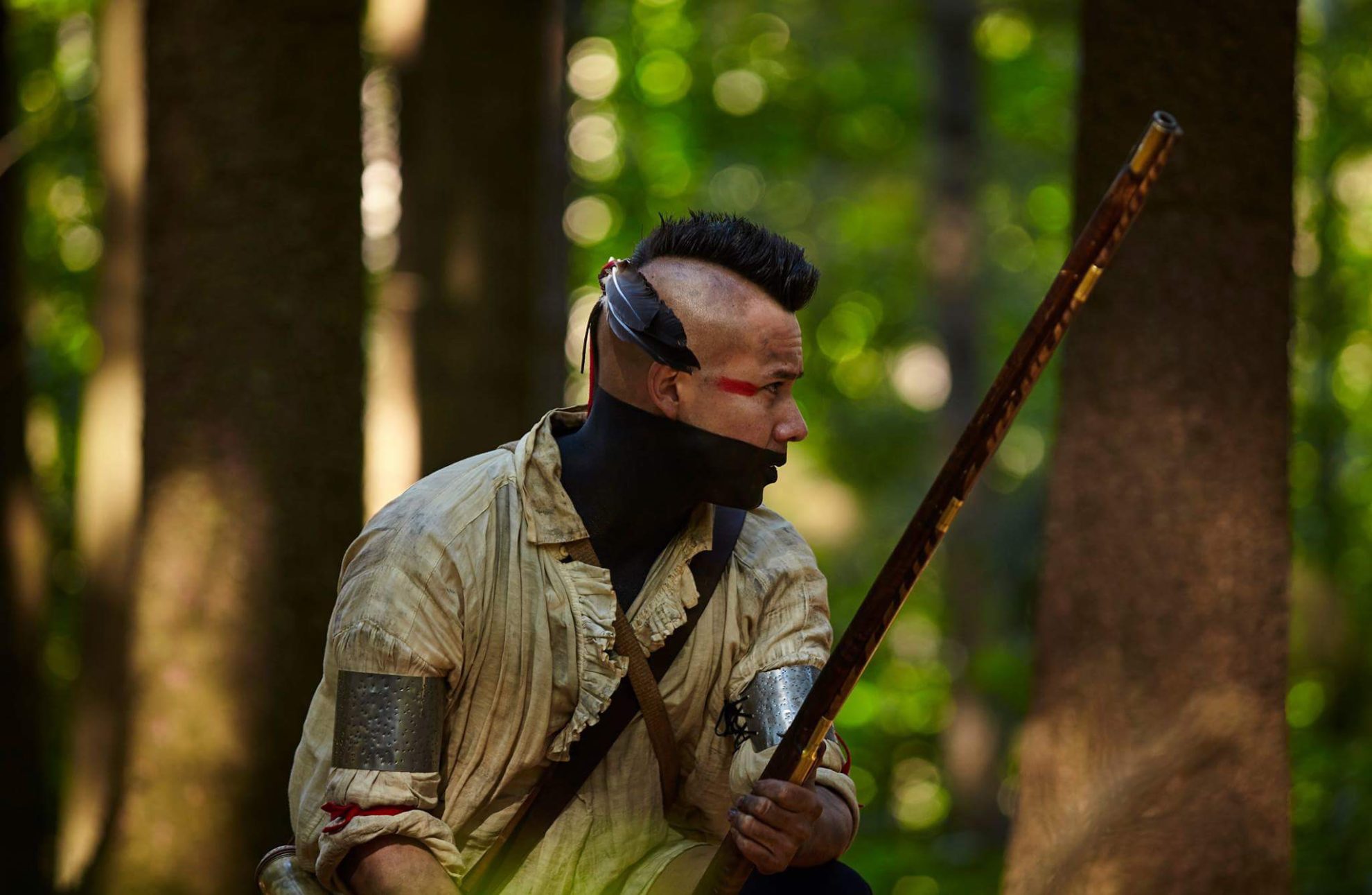
This seemed like a demanding role, both physically and mentally. What attracted you to portray Oak, a Mohawk warrior?
KH: Well, I happen to be a Mohawk warrior. And I thought, who else are they going to get to do this. The story needed to be told. It was so awesome the way they decided to tell it from different angles. I took on the responsibility of doing this and wanted to do it right. I’d worked with Karim (Hussain) before, and he knew what he was doing in terms of working with Ted (Geoghegan) and Travis (Stevens). Much of my work has been low-budget short films and features, so I was ready. But it was really hard both mentally and physically. The subject matter was important and two awesome people wrote the script (Ted Geoghegan and Grady Hendrix), telling an indigenous story. So being able to collaborate and help in any way guide it was important to me. I wanted to make sure no one was being offended and that the story being told represented what occurred in the most positive and truthful way.

As a Mohawk, what kind of guidance did you offer the filmmakers?
KH: I spoke my language when I thought it was necessary. I grew up in the language. My mother’s first language is Mohawk and my cousins teach the language. They helped me when I needed translation for certain things, like as an indigenous person, there would be certain ways to say something because that how our mind works. I tried my best.
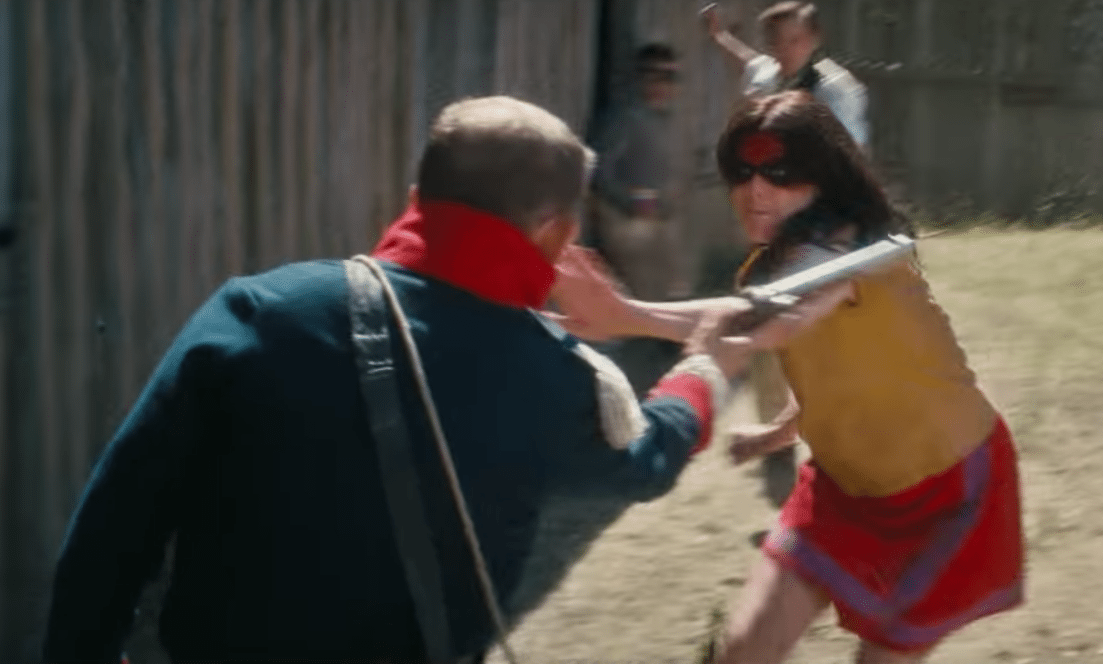
Did you audition for the role? What was that like?
KH: No. They offered it to me. My agency called and said they had been contacted by Ted and Travis, who had worked with Karim, who told them, if you want to do this, get Tiio Horn. I figured if I’m going to be running around the forest in moccasins, I want to know that I’ll be doing it for some awesome people.
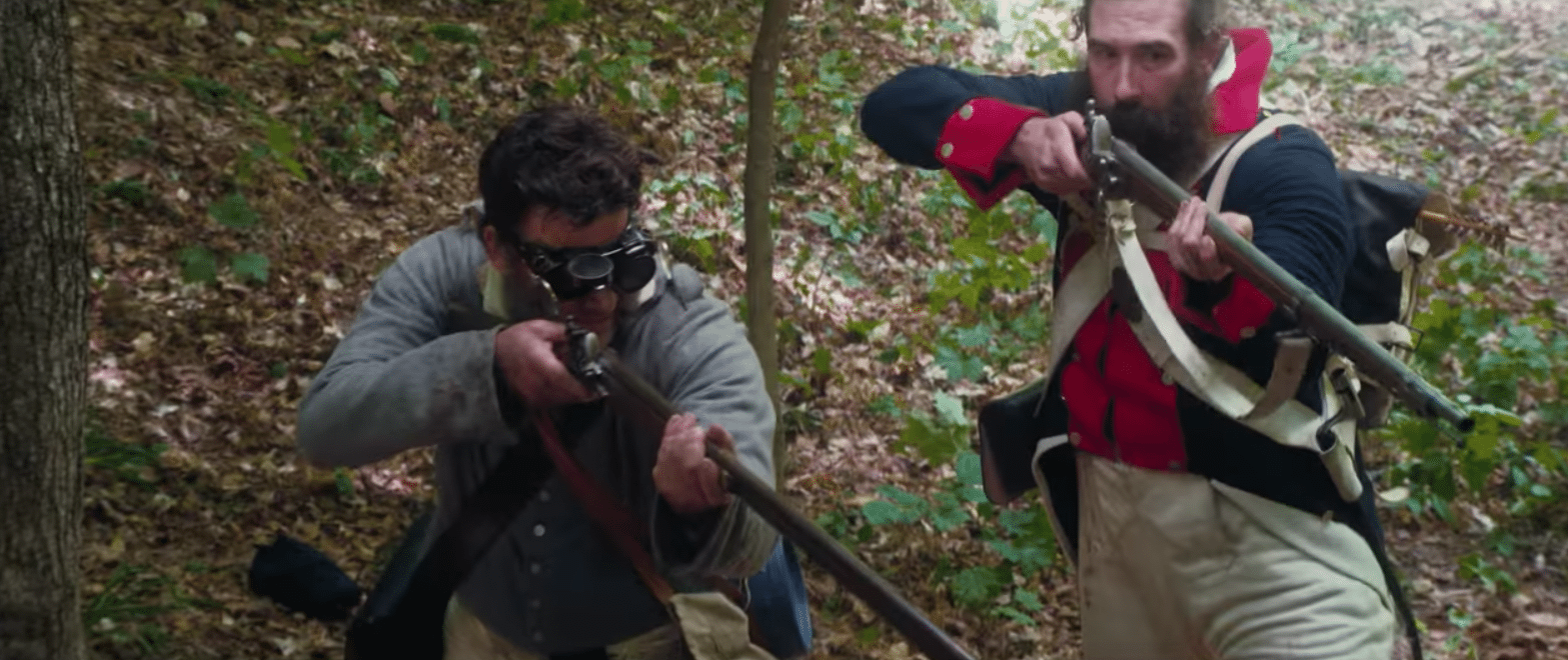
What did you draw from to so convincingly play the role of a Mohawk warrior?
KH: My people’s history and genetic memory. Basically, my own memory. My people and my family have been involved in the most recent conflicts with the Canadian army. In 1990, my sister survived a stabbing by a Canadian soldier. We had to deal with the aftermath of that. And we’re still dealing with it. So there’s that trauma I was able to draw from as well as stories I heard my entire life. The story is essentially a part of me. I had to imagine myself as a half-Mohawk woman in this era when this conflict was going on. Also being isolated, shooting this film in the middle of nowhere, where much of this actually happened was a great environment to focus on. I grew up with storytellers and that’s how we keep out culture alive. So this is my modern contribution to the ancient art of storytelling.
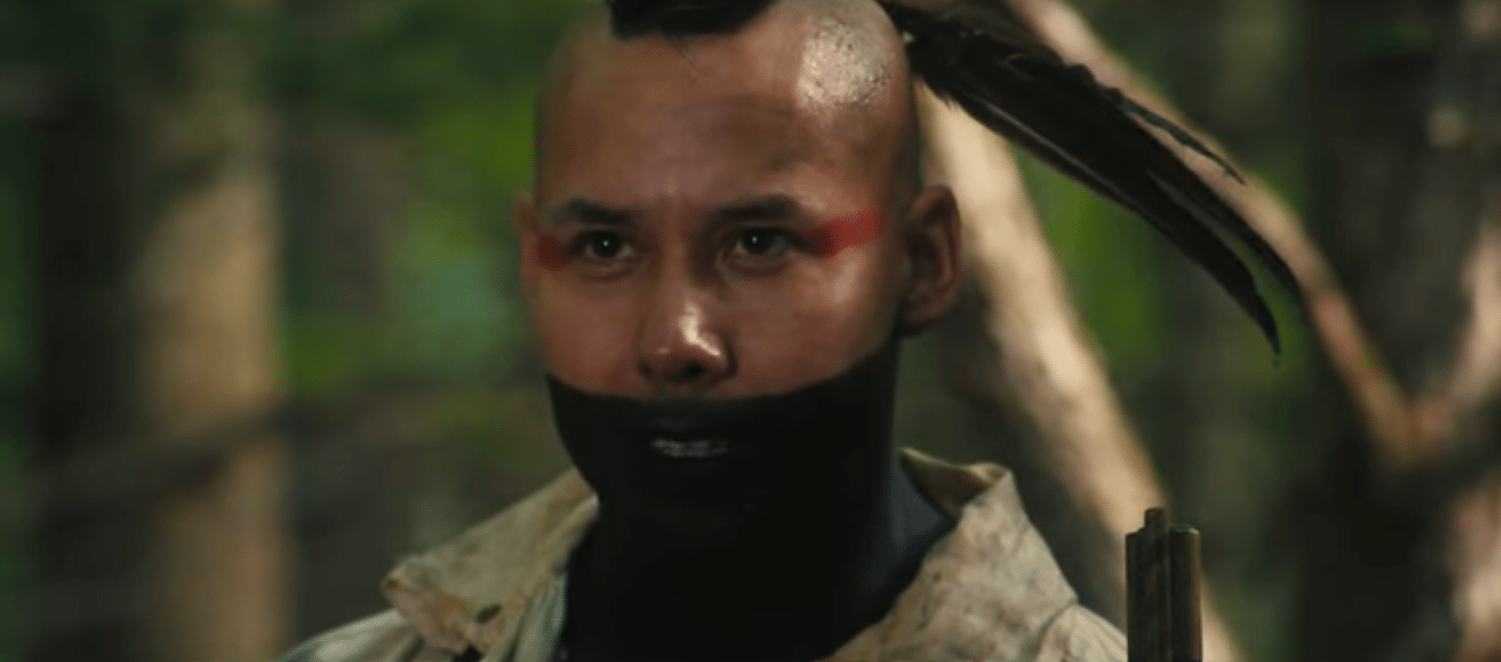
What did you find most challenging about being in this film? Did you perform many of the stunts, the fight scenes, and rolling down that hill?
KH: Yeah. We had such a small crew. They let me do a lot of my own stunts. It was physical. Some days it was cold, other times it was so hot. Some people passed out from heat stroke. I had to get my ankles taped every day.

What do you see as the underlying message in this film?
KH: I think the main message is that we all need to listen more. We all have reasons why we do certain things, but I think we all need a little more compassion. Today, everyone is yelling but no one is listening.
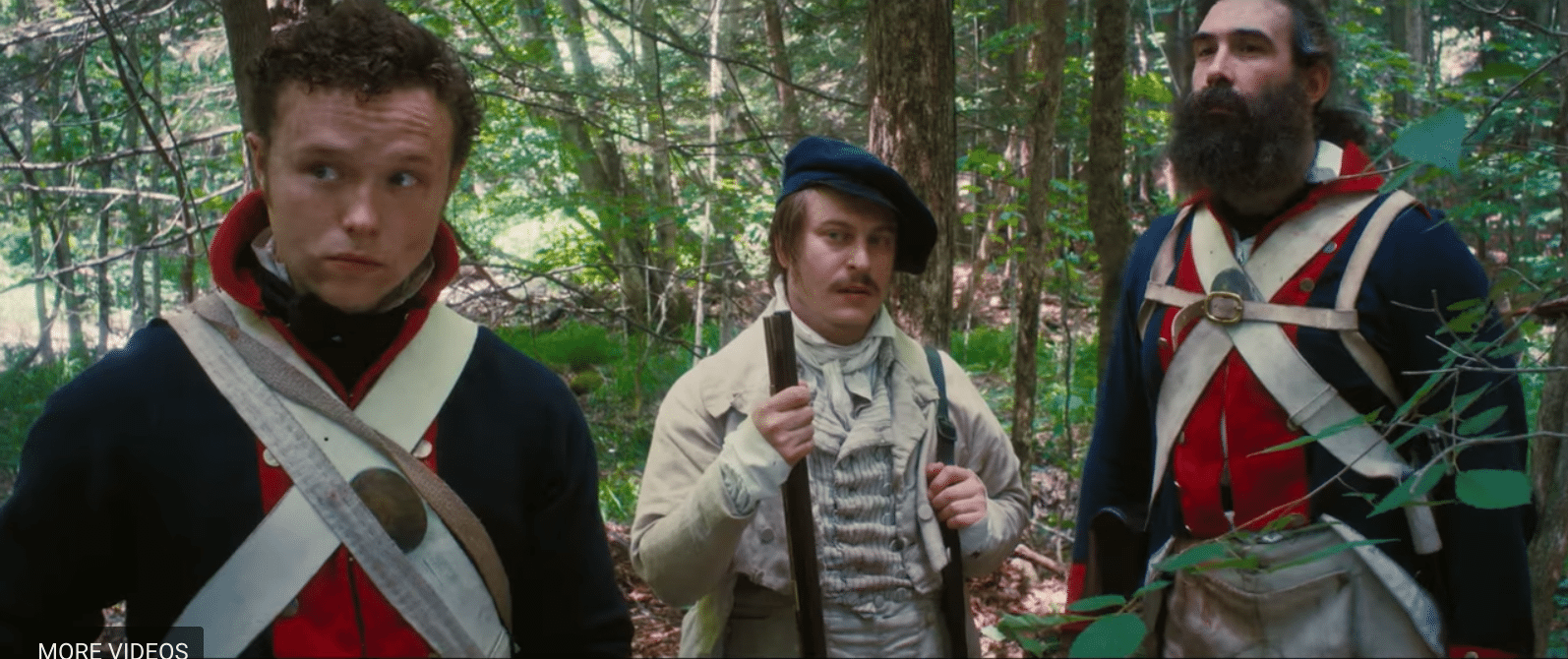
If you could write the perfect role for yourself, what would it be?
KH: I don’t know. Definitely a bit of action and mystery, and some true crime, like portraying a CSI or FBI person with a weird past.
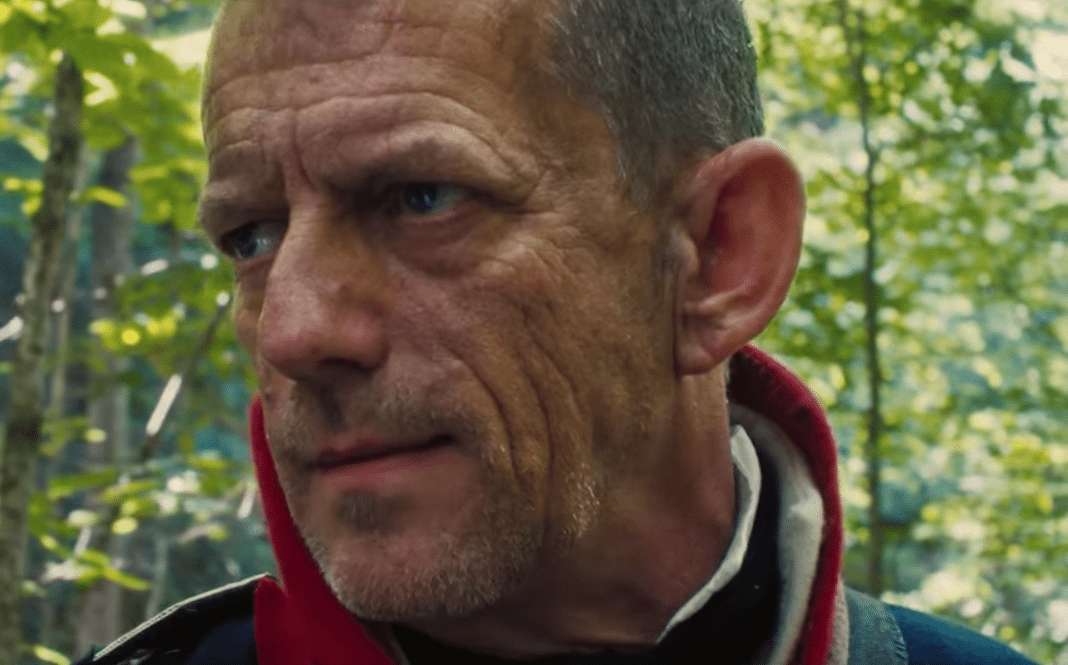
Ezra Buzzington
What new projects are you working on?
KH: We just launched a new web series about some awesome women from Canada. It was picked up by WhoHaHa.com with Elizabeth Banks as a comedy-streaming site. It’s called “Ghost BFF.” It just launched in Toronto and the feedback has been amazing. It’s a dark comedy about suicide and mental health. I’m also on a show in Canada called “Letterkenny” and a podcast called “Coffee with my Boss,” which is my boss telling me stories of the 60s, 70s, and 80s.
See the official Mohawk trailer.

Alex A. Kecskes is a published author of "Healer a Novel" and "The Search for Dr. Noble"—both now available on Amazon. He has written hundreds of film reviews and celebrity interviews for a wide variety of online and print outlets. He has covered red carpet premieres and Comic-Con events for major films and independent releases.

