
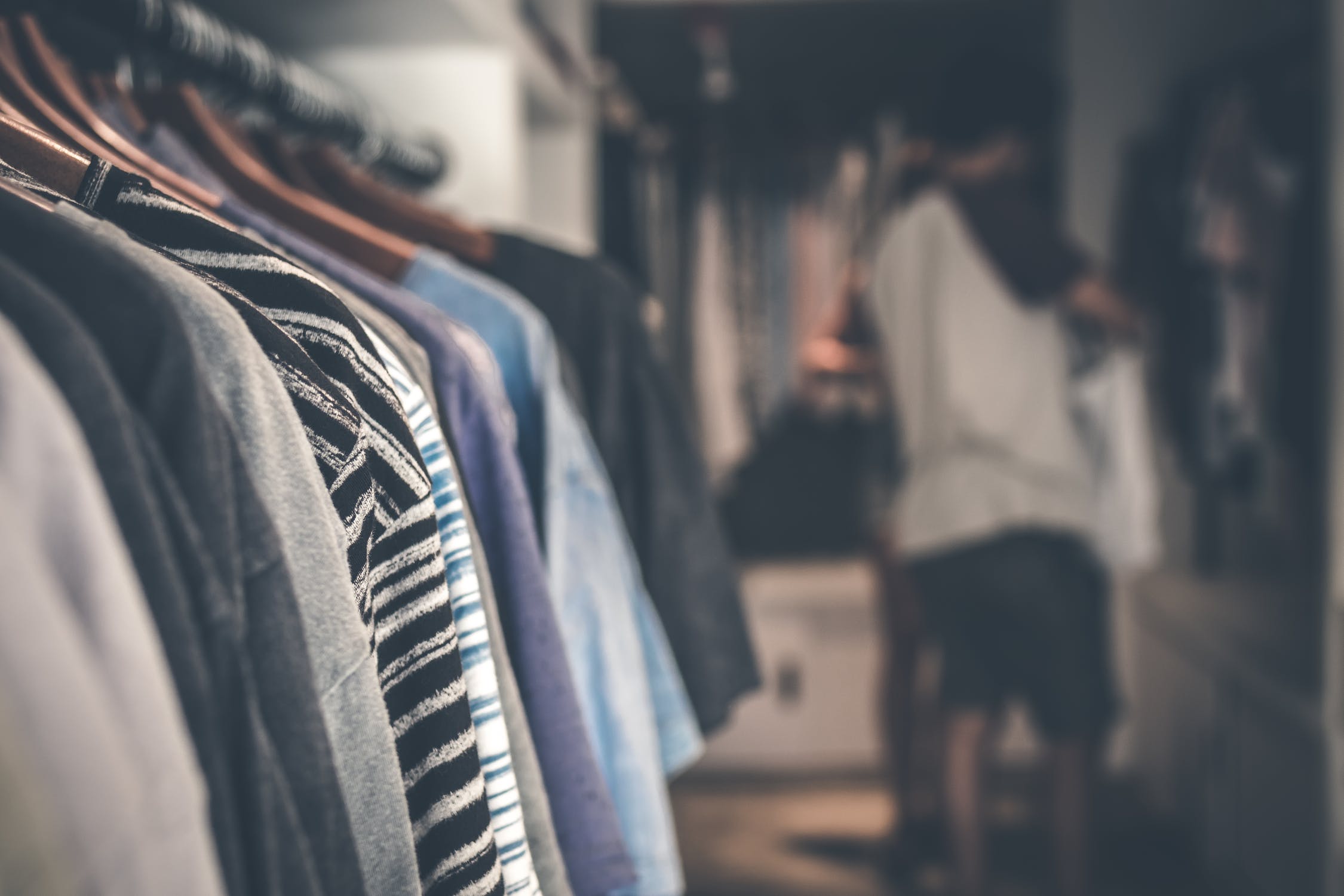
Companies and consumers are being asked to consider their approach to fast fashion, with the fashion industry as a whole set to miss 2030 targets for carbon emissions. Fast fashion is at the peak of its popularity, but its very nature threatens to derail the industry’s attempts to adopt a more sustainable approach. Fast fashion gains its strength from the efficient production of garments and the affordable level of prices, but this has developed a throwaway culture among some shoppers.
So many fast fashion items end up in landfill after just one or two uses, as the affordable prices enable many consumers to simply go out and purchase a whole new outfit for a social occasion. The process of producing each new item creates a sizeable carbon footprint. Garments are worn an average of seven occasions, according to research by Barnardo’s, a level of turnover which is not enough to significantly reduce carbon emissions.
An infographic summarises the research that Betway conducted on reusing garments, looking at the looming threat of a water deficit. It reveals a reduction of 268.52 billion litres of water used could come about if just half the global population got five years of use out of a pair of jeans. Good On You offers a guide on how to ensure that clothing can last longer, by optimising everything from your washing routine to your storage system. With these techniques, jeans (and other clothes) can easily maintain their stylishness for that ideal five-year period.

A culture shift
There is evidence of a culture shift taking place already. Yomi Adegoke wrote about fast fashion for Metro, noting how refreshing it was to see the likes of Keira Knightley, Meghan Markle and Tiffany Haddish reusing items of clothing in the public eye. Celebrities inevitably become role models, particularly when it comes to fashion. Adegoke references 2017 research from Hubbub, which showed how 41% of 18-25-year-olds think they must wear a different outfit on every social occasion.
With celebrities turning up to illustrious events in previously worn items, it may influence more people to change their dress habits. The Eastern Daily Press reported on the thoughts of Heidi Michelle May, a Norfolk fashion designer, for an everyday example of how to alter shopping habits. May stresses that fast fashion brands should be avoided where possible unless there is an express intention to wear the garment on several occasions.
It is the intention and ability to reuse clothes that will be vital to the fashion industry’s contribution in the fight to reduce carbon emissions. Using a service such as GoodGuide that tracks a product’s environmental impact is another way to stay conscious about what you wear, while special events like Earth Day are a great time to analyse the ecological effects of a daily routine.

I write like I think—fast, curious, and a little feral. I chase the weird, the witty, and the why-is-this-happening-now. From AI meltdowns to fashion glow-ups, if it makes you raise an eyebrow or rethink your algorithm, I’m probably writing about it. Expect sharp takes, occasional sarcasm, and zero tolerance for boring content.