




When society slows down to a critical event like a pandemic, life’s necessities get put on hold for a time. However, your health care should never be one of them. There are several things you can do at home to live well and protect your health.
Eat Nutritiously
Sometimes it is tempting to snack when our daily routines change or slow down. Binging on chips, soda, and sweets can harm your health despite temporarily making you feel good. Follow a nutritious eating plan that provides adequate calories and vitamins from the five daily food groups. Aim for regular-size portions, avoiding second helpings except for special occasions. Enjoy occasional treats, but don’t overdo it. Eating well can help to protect your health by providing necessary nutrition.
Exercise Several Days a Week
With your doctor’s authorization, start or maintain an exercise plan of about twenty minutes a day for about three to five days weekly. Use a video workout at home or take a neighborhood walk while maintaining social distancing guidelines. You can also bike, hike, or swim if you own a swimming pool. Keep moving to stay in shape and strengthen your cardiovascular system, which can help to fight off illness. You can find online classes to join or use video meetings to exercise with friends.
Keep Up with Testing
Continue to monitor your health from home. In addition to using telemedicine options, consider various tests that utilize affordable and straightforward equipment or supplies to check aspects of your health. Such health metrics include blood pressure, heart rate, glucose level, and other vitals. Also, an at home COVID-19 test kit is now available. Don’t put your health on hold while waiting for the pandemic to subside. Take control of the factors that you can manage from home, and stay in touch with your doctor or other medical practitioners as needed.
Get Enough Sleep
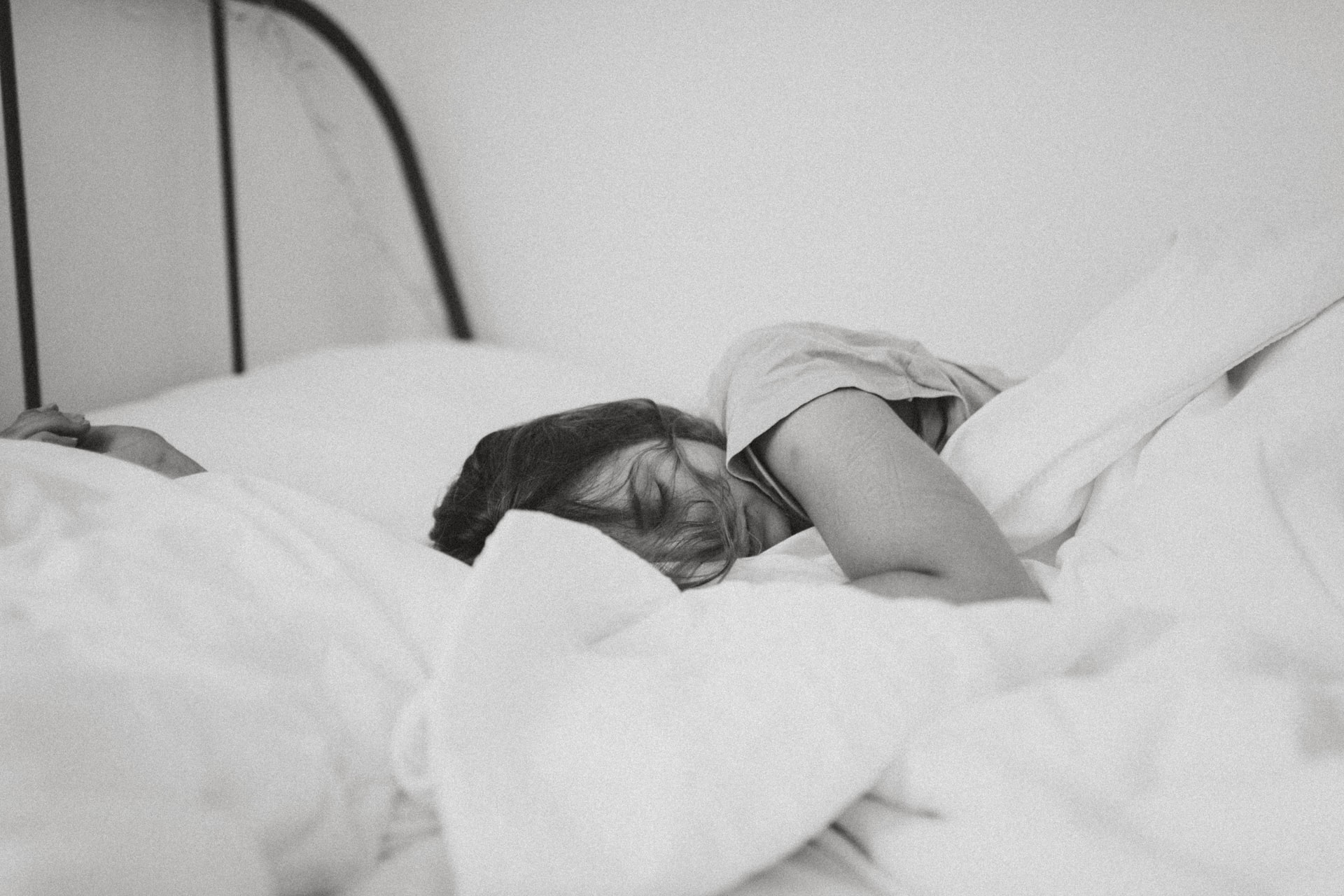
Experts remind us that the average person needs about seven or eight hours of sound sleep each night. An occasional twenty-minute to thirty-minute nap before four p.m. can also be refreshing. When we sleep, the body uses that time to replenish weak or damaged cells and pumps up the immune system. Going without enough sleep can put you at risk of getting sick after exposure to various viruses and bacteria. Lack of sleep can also play havoc with your emotions and make you feel tired, potentially disrupting other activities.
Stay in Touch
Connect with family and friends via social media or video calls. While it’s not the same as being together physically, the ability to converse and share fun memories or experiences can do much to guard your mental health. You can also volunteer from home to help a charity or another organization that is struggling during this challenging time. Besides, helping others will make you feel better. Being grateful for loved ones in your life also enhances our sense of well being.
If you are not already doing these things, ask your doctor how to begin those that require medical guidance. The differences you make now may have a strong bearing on your quality of health and possibly help to prevent medical conditions that may otherwise develop.

I write like I think—fast, curious, and a little feral. I chase the weird, the witty, and the why-is-this-happening-now. From AI meltdowns to fashion glow-ups, if it makes you raise an eyebrow or rethink your algorithm, I’m probably writing about it. Expect sharp takes, occasional sarcasm, and zero tolerance for boring content.