







Americans average nearly 20 teaspoons of added sugars per day, far exceeding the recommended 6 teaspoons for women and 9 teaspoons for men. This excludes the sugar found in fruits and milk. So where are we getting all this sugar?
The Biggest Offenders

Soft drinks are the biggest offenders. One can of Coke contains 39 grams. A 14-ounce bottle of Coke has 46 grams. But the hidden culprits are “health” juices. A 16-ounce bottle of POM, for example, contains a whopping 68 grams of sugar (it’s two servings but most people drink the entire bottle). “Healthy” yogurts also have their share of added sugars. For example, a small 6 oz. cup of Dannon Fruit on the Bottom Blueberry Yogurt has 24 grams of sugar.
Sugar Added to Everything

Today, sugars are added to virtually everything you eat—breads, tomato sauce, trail mixes, protein bars—the list goes on and on. Added sugars can be difficult to find on nutrition labels because they’re disguised by such names as corn syrup, agave nectar, palm sugar, cane juice, or sucrose.
How Sugars Affect Your Body

Brain & Mood. Sugar pumps lots of feel-good chemicals called dopamine into your brain, which is why you get those cravings for energy bars, energy drinks, and fruit juice drinks. These give you a quick energy boost known as a sugar high followed by the “sugar crash” that makes you so drowsy and, in some cases, depressed.
Teeth & Joints. You don’t need a dentist to tell you that sugar can rot your teeth. Bacteria that produce cavities feed on sugar. Eating too much sugar can increase joint pain due to the inflammation it causes in the body. Sugar can even increase your risk of developing rheumatoid arthritis.
Skin Ages Faster. Sugar attaches to proteins in your bloodstream, which can lead to advanced glycation end products. These molecules age your skin by damaging the collagen and elastin in your skin.
Sexual Health. Sugar may impact what your body needs to sustain an erection. Too much sugar affects your circulatory system, which controls the blood flow throughout your body.
Sugar-Free Alternatives
If you really have a sweet tooth try to get your sugars from whole fruits. You may also want to try sugar alternatives or no-sugar-added sweets. Like those offered by Lily’s, Southern Candymakers or DiabeticCandy.com.
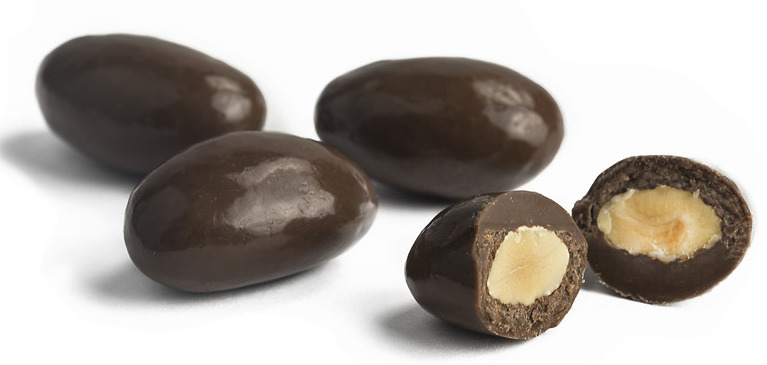
Many of these candies and sweets use alternative sweeteners—like sugar alcohol or stevia. Others like Lily’s sweets are botanically sweetened—meaning no refined or processed sugars. Some of these alternative sweets have side effects, so check with your doctor before trying them.


Note: Advice given here is not intended to prevent, treat or cure any diseases. Consult your doctor before switching to any artificial or sugar-free sweeteners.

Alex A. Kecskes is a published author of "Healer a Novel" and "The Search for Dr. Noble"—both now available on Amazon. He has written hundreds of film reviews and celebrity interviews for a wide variety of online and print outlets. He has covered red carpet premieres and Comic-Con events for major films and independent releases.