






 Why do some people have skin that radiates health while others look pale, flat, and wrinkled? One reason is that they may be eating better. Granted there are other factors – like genetics, exercise, and sun exposure. But one way to help your skin achieve that healthy glow is to eat the right foods and avoid others.
Antioxidants Protect Skin Cells
Antioxidants, like vitamins B, C, and E , selenium, and beta-carotene protect your skin cells from damage. These compounds inhibit oxidation, a chemical reaction that can produce free radicals. Such highly unstable molecules are naturally formed when you exercise or when your body converts food into energy. Free radicals can be generated from cigarette smoke, air pollution, even sunlight. These molecules can cause “oxidative stress,” a process that can incite cell damage. Antioxidants inhibit free radicals. So which foods have the most antioxidants?
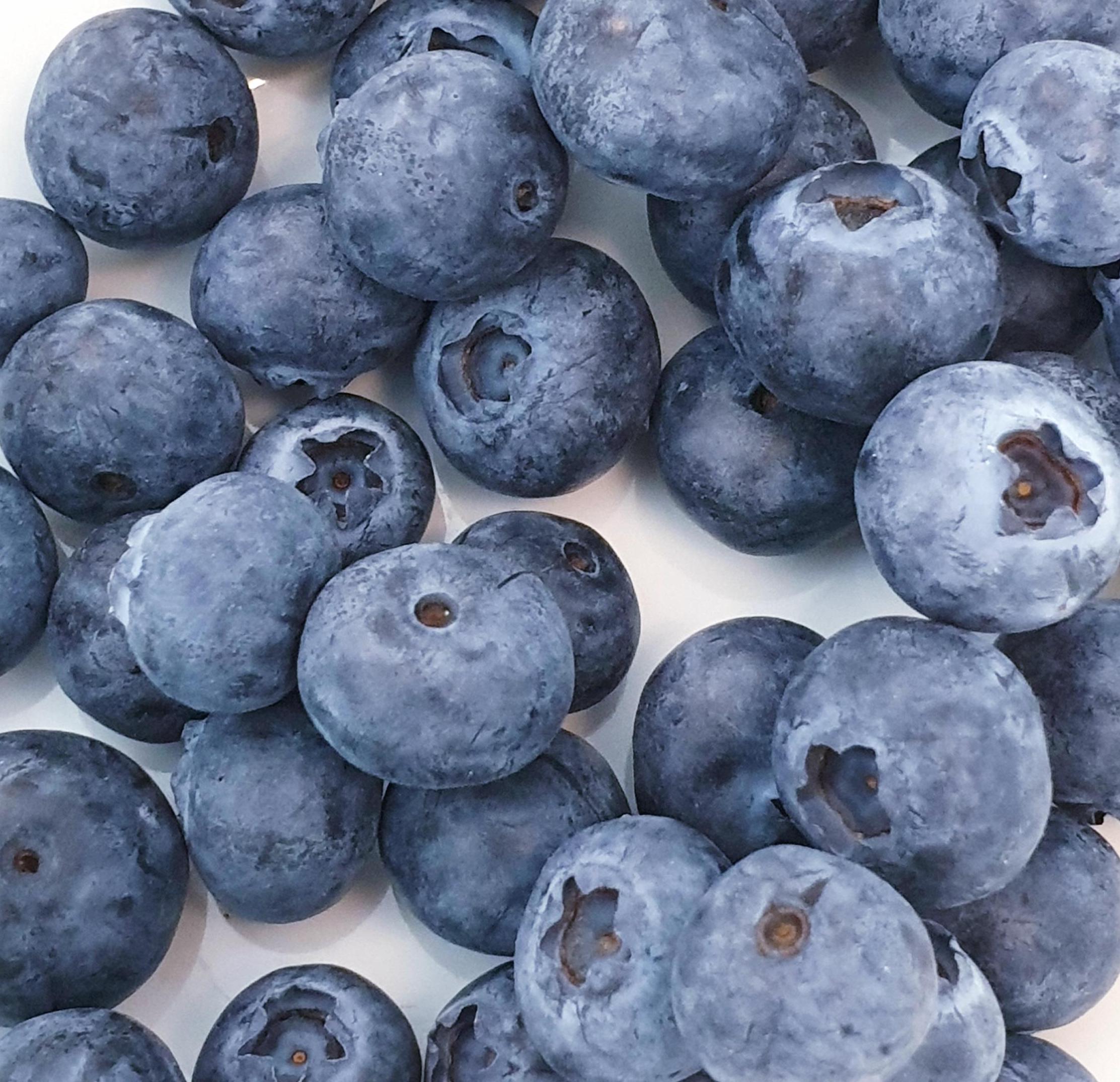
Fruits for Your Face
According to The National Center for Biotechnology Information, blueberries are believed to have the highest antioxidant levels of all common fruits and vegetables. Watermelon is full of water and can hydrate your skin cells. What’s more, the beta-carotene and vitamin C in watermelon gives you an antioxidant boost.
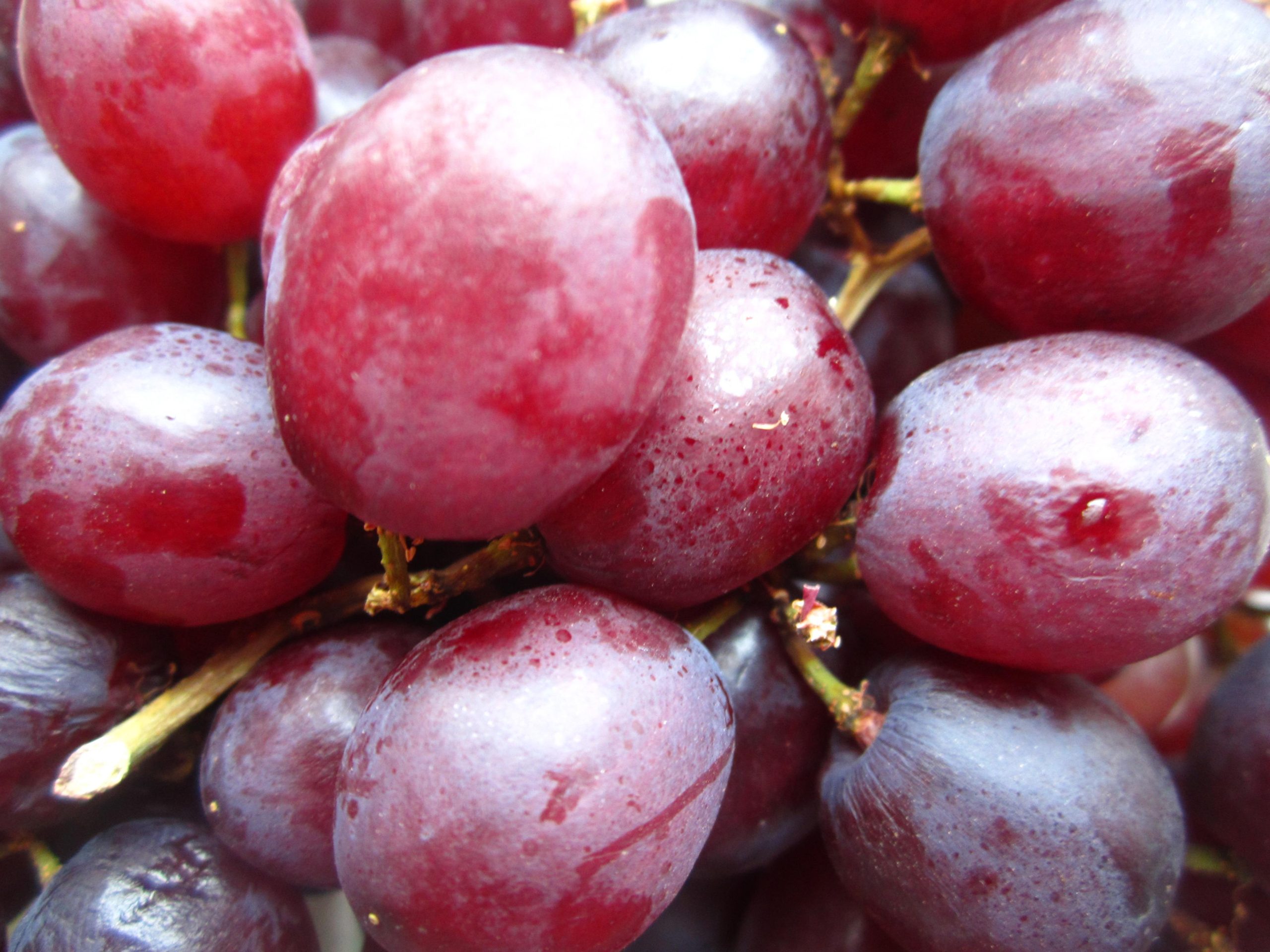
Red, green, and black grapes contain ellagic acid and resveratrol, two compounds that help fight oxidative stress. Grapes also help skin cell regeneration. Kiwi is packed with vitamin C, which produces collagen, a protein that gives your skin its elasticity. Another fruit packed with Vitamin C is the tasty strawberry. Tomatoes have lycopene, a pigment that’s naturally found in the skin. Its antioxidant can offer long-term protection against UV radiation and neutralize harmful free radicals.
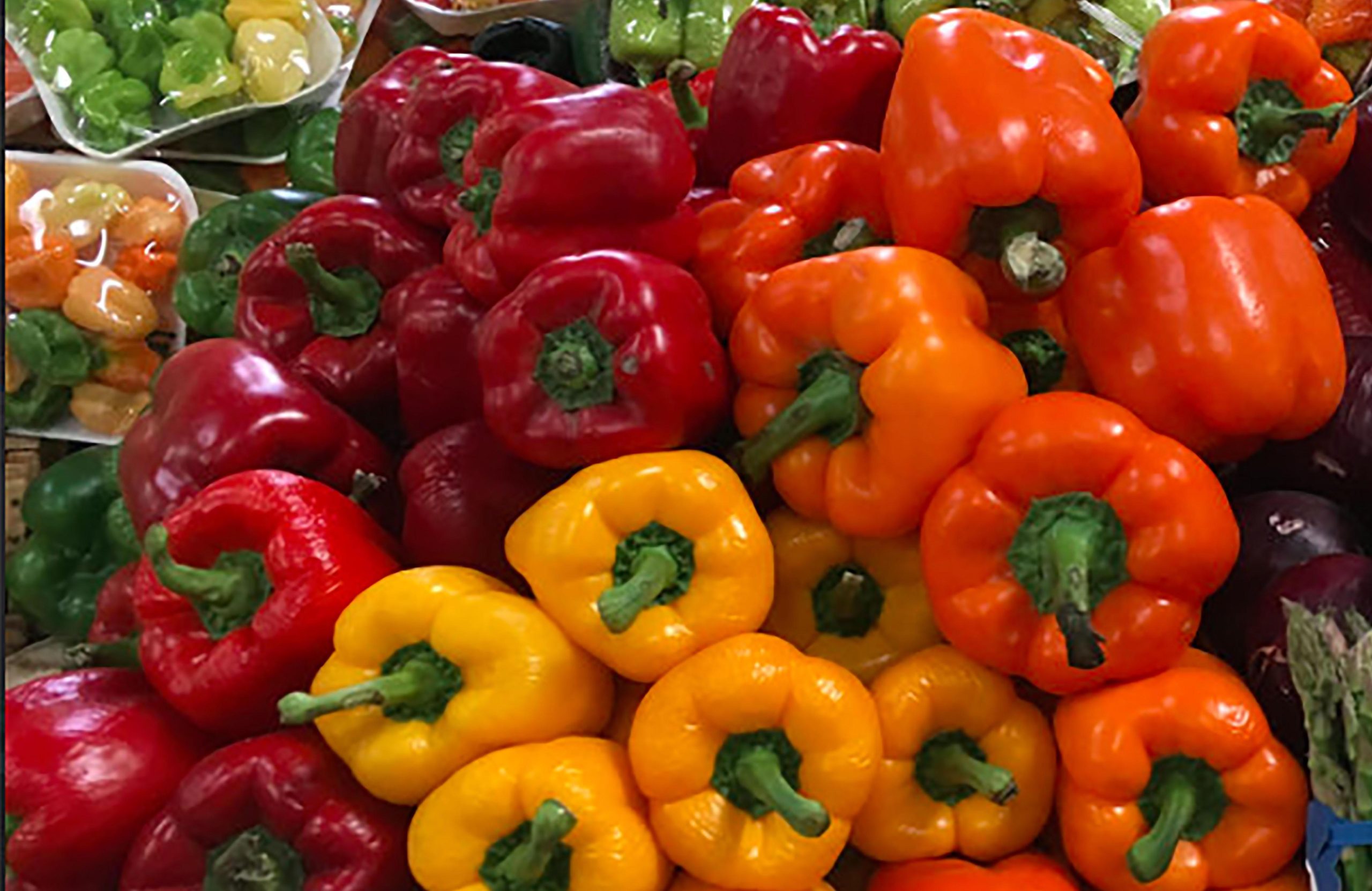
Mother was Right. Eat Your Veggies.
Vegetables are high in antioxidants. They promote healthy skin and hair and are rich in many vitamins. Vegetables also have lots of vitamin C, which promotes healthy skin. So which veggies should you eat to make your skin glow? Spinach, broccoli, red bell peppers, snow peas, and Brussels sprouts—just to name a few. In general, red, yellow, and orange vegetables are good for the skin since they contain beta-carotene, a pigment that is converted into vitamin A. Leafy greens can also be rich in beta-carotene, which is an antioxidant. Vegetables rich in beta-carotene include carrots, sweet potatoes, and romaine lettuce.

Repair Your Skin
Some research has found that vitamin E has anti-aging properties. A study published in Dermato-Endocrinology found a positive correlation between vitamin E and wrinkle formation, collagen preservation, and skin repair. So uniting vitamin E with vitamin C and fat for best absorption may just keep those nasty wrinkles at bay. Vegetables high in vitamin E include Taro, Swiss chard, bell peppers, sweet potatoes, and asparagus.

Nuts and Seeds for Skin
Nuts and seeds are packed with vitamin E, which helps give your skin a healthy glow. The ellagic acid in many nuts can help protect skin cells from UV damage. Pecans, for example, are packed with antioxidants and have zinc, another nutrient that may help to promote glowing skin.

Foods to Avoid (or limit)
According to the Mayo Clinic, most skin-damaging foods tend to contain refined sugars, unhealthy fats, and processed carbohydrates. Chief among these are doughnuts, which cram a double dose of skin-damaging stuff: grease and sugar. Next up is soda pop and other high-sugar beverages, which can damage the formation of collagen, the connective tissue that gives your skin its firmness. The processed sugars in candy can also damage your skin by promoting inflammation. Then there are fried foods, which can create skin puffiness. Too much alcohol won’t favor your skin either. Its diuretic effect can draw moisture out of your skin, making your skin appear washed-out.
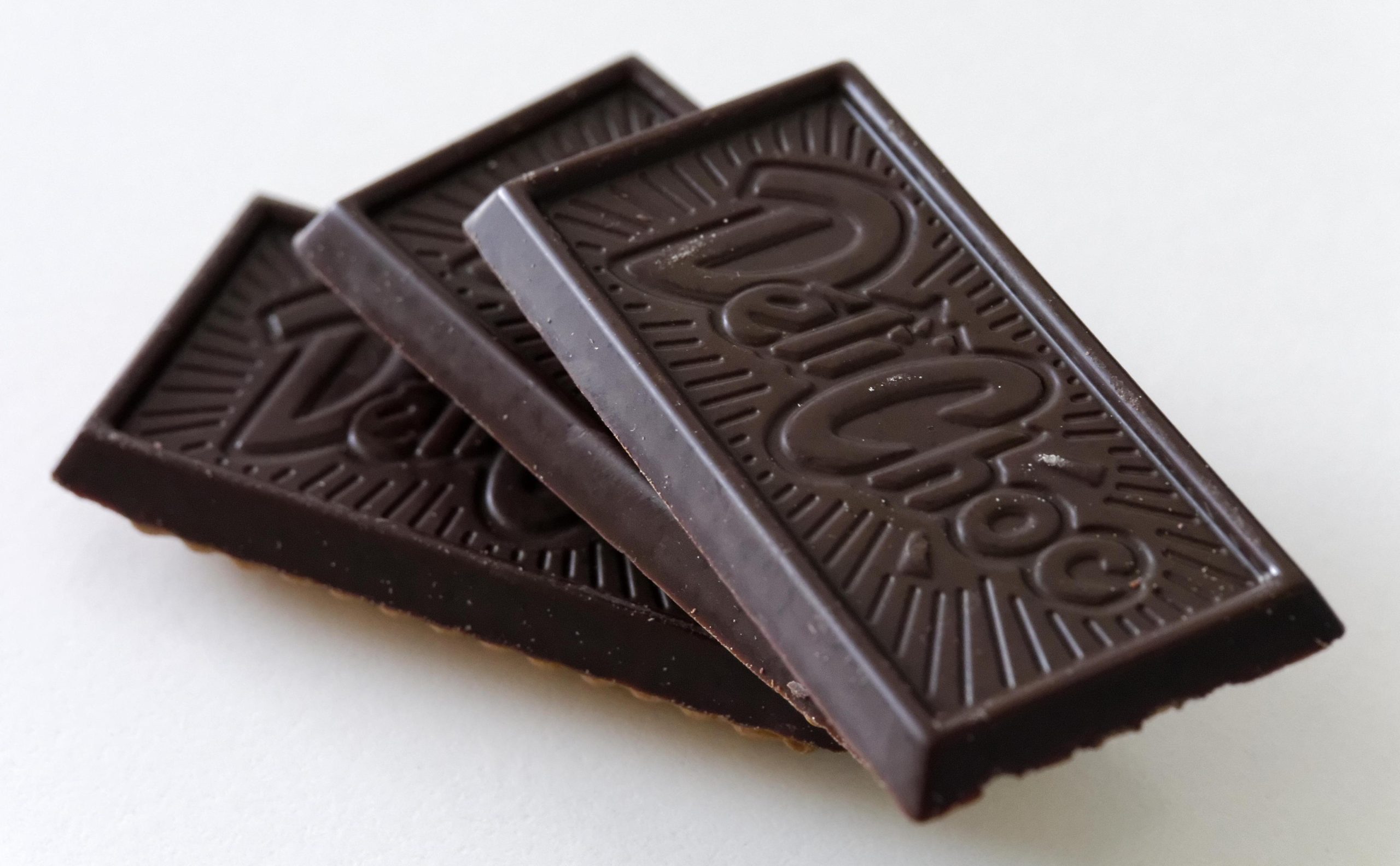
Finally, you’ll like this: Dark chocolates have even more antioxidants than blueberries. Dark chocolates usually have some sugar, but the amounts are typically small, and the darker the chocolate, the less sugar it has. But as with most foods, moderation with chocolate is key.
The advice given here is not intended to treat, cure, or prevent any disease. Consult your doctor before changing any eating habits.

Alex A. Kecskes is a published author of "Healer a Novel" and "The Search for Dr. Noble"—both now available on Amazon. He has written hundreds of film reviews and celebrity interviews for a wide variety of online and print outlets. He has covered red carpet premieres and Comic-Con events for major films and independent releases.