


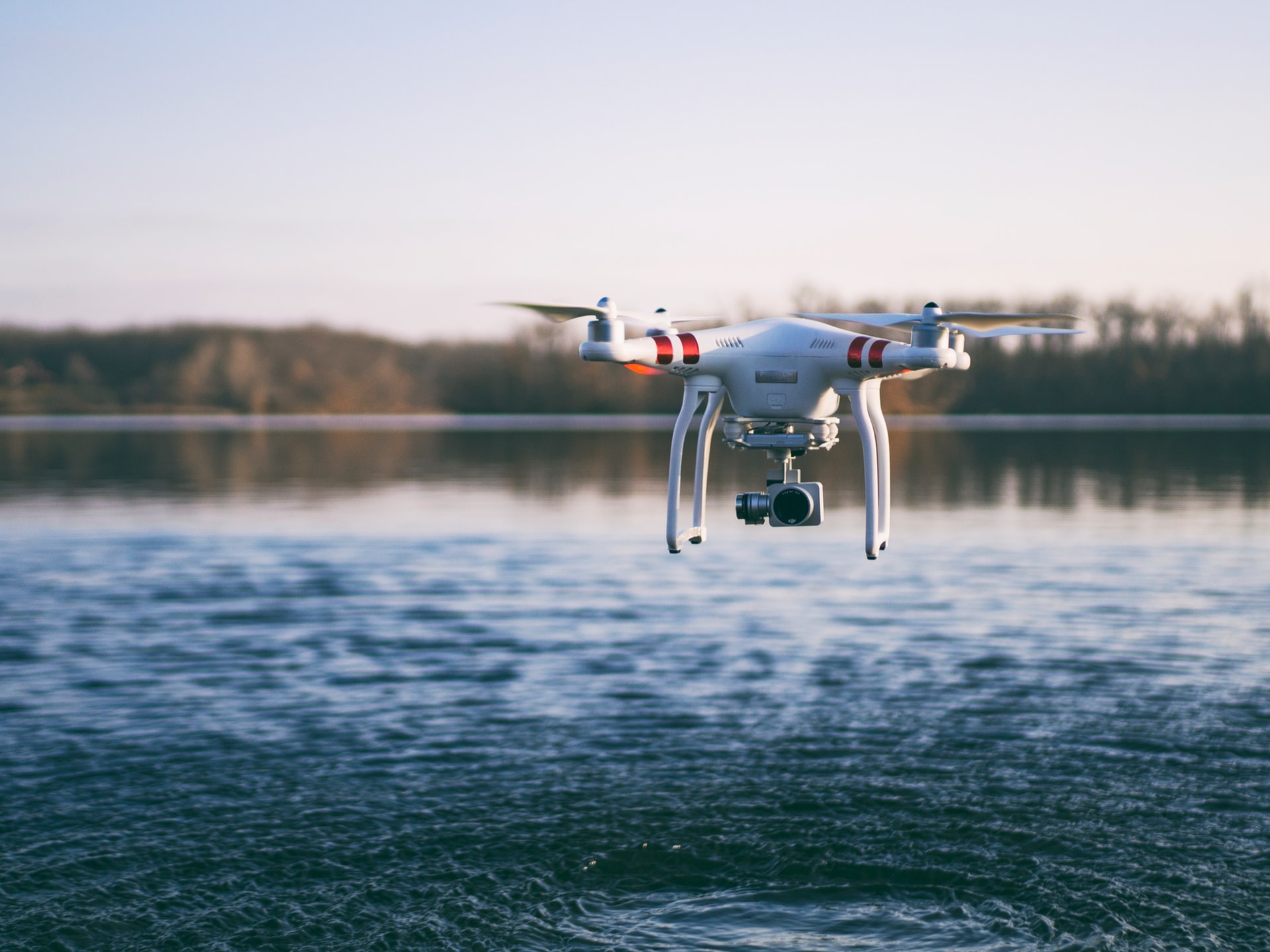
Technological advances are changing what were previously traditional approaches in many industries; the movie-making business is no exception. The ever increasing usage of drone video helps the filmmaker to capture incredible footage without having to put a cameraman on a helicopter to attempt the same task. Not only is the end result more brilliant and awe-inspiring, but it is able to bring the audience into the action of a film for the fraction of the cost when compared to previously used helicopters.
The use of drones for filming some aspects of a movie is employed by both mainstream as well as indie films. So why is the use of drones growing among filmmakers? Even though the economical aspect of using a drone is quite appealing in itself, they are also portable and lightweight.
The Appeal of Drones
Cost-effectiveness, although a huge appeal, especially in the film industry, isn’t the only draw; there is a safety aspect to be considered. Drones allow up-close shots of scenes that may otherwise be impossible to ensure the safety of the cameraman. How better to allow the viewer to appreciate the ferocity of a raging fire than to see it with the perspective and intimacy only a drone could allow.
The perfect example of such drone use is in the blockbuster Avengers: Infinity Wars. While using extensive pyrotechnics for an epic fight scene, these versatile machines were able to zoom in close to capture the ambiance and effect of the battle on drone video and still keep the cameraman well out of harm’s way.
Animation and Practicality
Drones aren’t breaking into the film industry simply because of their ability to get closer to scenes than their human counterparts. Technological evolution allows drones to have numerous filming advancements via specific software. Take animation, for example, it requires two cameras and several takes to film a single character from every possible angle. If you use a drone, with the proper software, you can not only effortlessly film the subject but you can use matrices that actually anticipate the actor’s next move. That prediction allows the drone to reposition itself as needed without the interference of guesswork of humans.
Drones also assist with visual continuity and appeal for the viewer. Watching a scene from a constantly varying point of view is much more appealing than a static perspective. In order to keep the audience vested in what they are watching, drones are able to change positions and give the audience the feeling of being an active observer as opposed to a static one. By increasing the audience’s involvement you also increase their intrinsic enjoyment.
When considering the viewer’s experience, you must also consider the importance of scale. Without the use of drones, the only way to let your audience understand the scale of a scene is by positioning your subject in front of a larger item, utilizing a ground camera. Drones allow a feel for the vastness of a scene by panning to and fro and allowing a more comprehensive perspective.
Precious Time
Another huge draw to using drones in cinematography is the amount of time they save versus traditional cameras. Before the widespread incorporation of drones, a generous amount of a production day was taken up by changing and repositioning of cumbersome equipment in order to capture the right shots. Not only are drones lighter and more agile than traditional equipment, but they also allow directors and editors more time to work with processing what was captured.
As technology continues to evolve, drones will become even more valuable of an asset to not only the film industry but to everyday life.

I write like I think—fast, curious, and a little feral. I chase the weird, the witty, and the why-is-this-happening-now. From AI meltdowns to fashion glow-ups, if it makes you raise an eyebrow or rethink your algorithm, I’m probably writing about it. Expect sharp takes, occasional sarcasm, and zero tolerance for boring content.