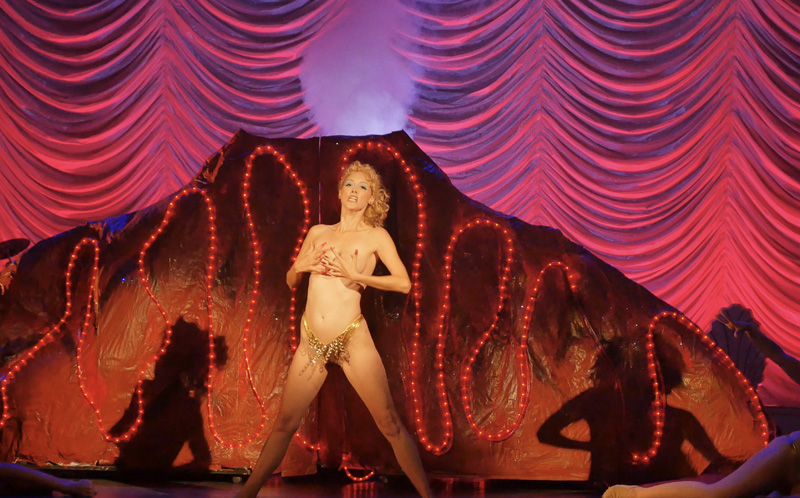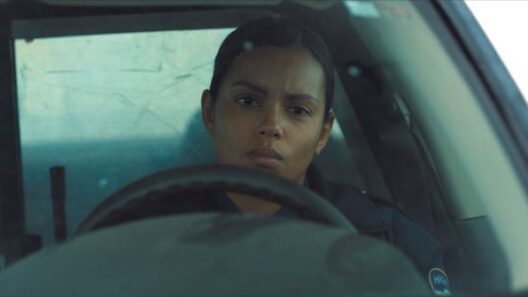



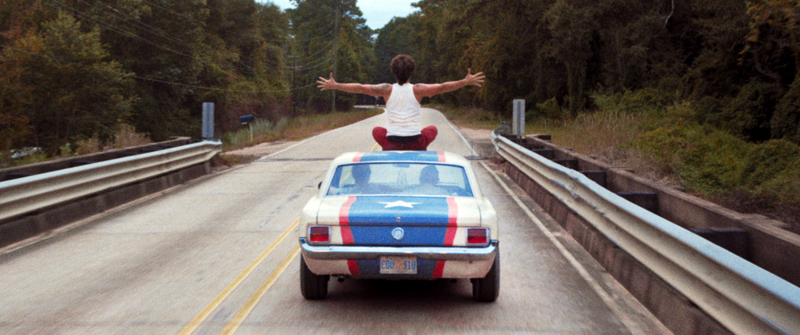
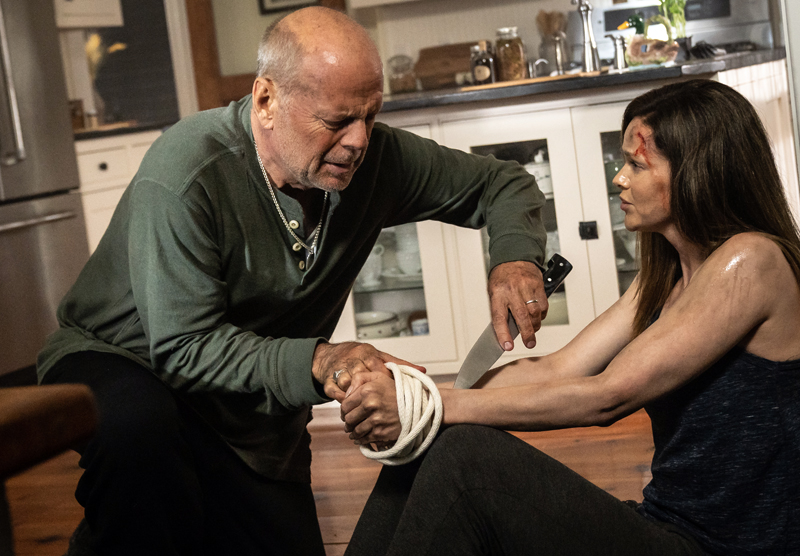
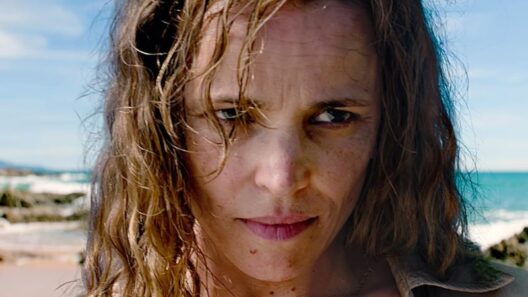

 Emily Harris has worked as an editor and producer on many award-winning feature documentaries, including the internationally acclaimed Tovarisch, I am not Dead, which she edited and co-produced with director (and double BAFTA Winner) Stuart Urban. She directed, produced, and edited the 2015 documentary film Atlanta Metal. Most recently, Emily co-directed the offbeat romance Love is Thicker Than Water with Ate de Jong. Other award-winning credits as director of fiction films include Paragraph, Borges & I, and Three Towers. She wrote and edited the HOTDOC premiere hit Love Arranged directed by Soniya Karpilani. And she edited and co-produced Karpiliani’s 17 Not Required Indians. For long-time collaborator Bentovim, she edited the Israel Documentary Filmmakers Forum Film of the Year nominee 17 Beginnings of Talia. She holds a Master’s of Fine Art in Photography from Savannah College of Art and Design.
In this one-on-one interview, Harris reveals her passion for directing and why she chose Carmilla for her directorial debut.

Of all the vampire stories chronicled in so many books, why did you choose Sheridan Le Fanu’s 19th-century gothic novella, Carmilla?
Emily Harris: It was a vampire story with a female protagonist. I was trying to unpack where the entry point was for this film. I wanted to do something different, explore a new side of it.

What were you looking for in terms of casting the two principal characters?
Harris: Casting was essentially the entire film for me. When the producers came on board, it was clear to me that if we didn’t find the right girls, we wouldn’t proceed. We auditioned the girls separately and when we put them in a room together, they ignited the room. They were real ‘discoveries’ because you’re working with 15-year olds. I found it thrilling, despite the fear and anxiety that I might not find what I was looking for. You can’t predict what will happen. It’s like a living, breathing organism you can’t control.
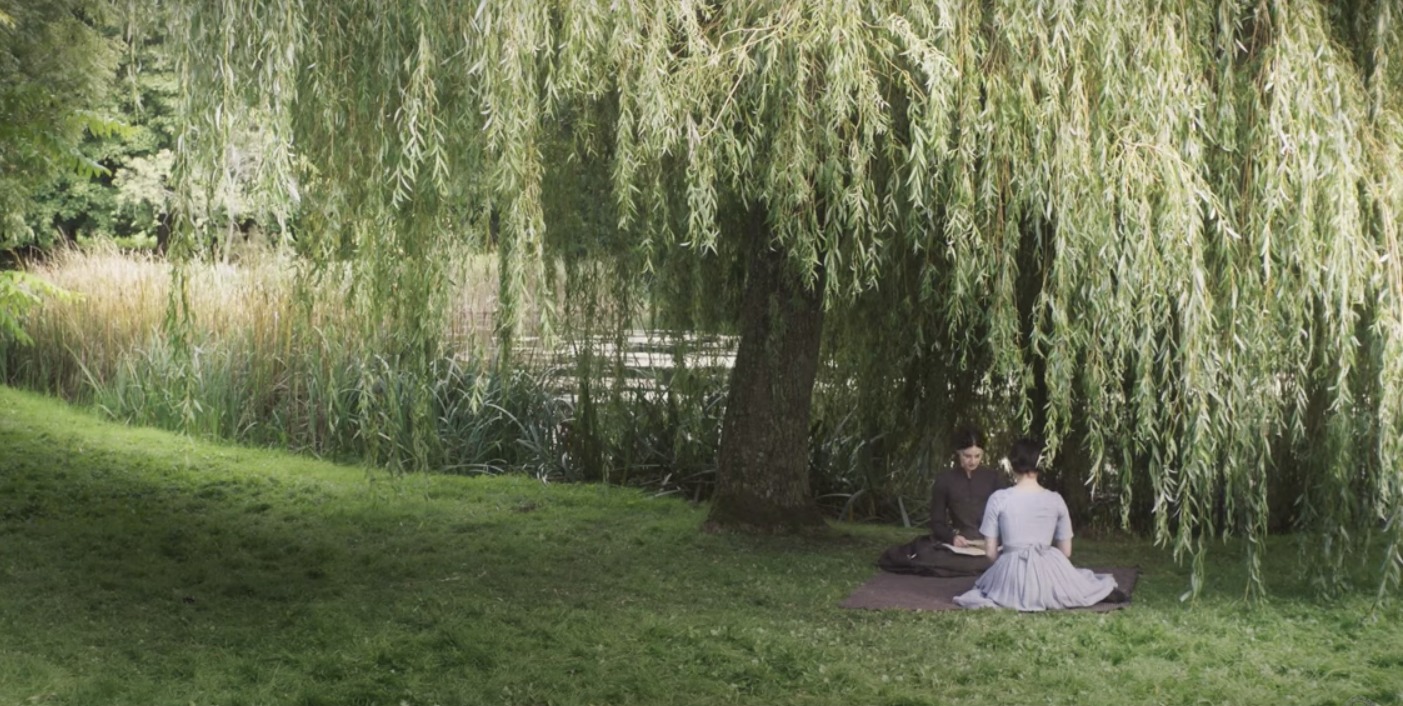
Where was Carmilla filmed? It was such a beautiful area.
Harris: South Downs in the UK. We all lived in and around the manor house where we filmed. We took the house over, did a massive production design on it, and kind of made it what it became. We think that level of focus, of not everyone going home at night, helped. For me, the location came first, really early on. I spent a lot of time writing specifically for that area. The rose garden made its way into the script because I discovered it while walking around the grounds. The location became almost like a character. Likewise, the music composer spent a lot of time on set, letting the location guide his score for the film.
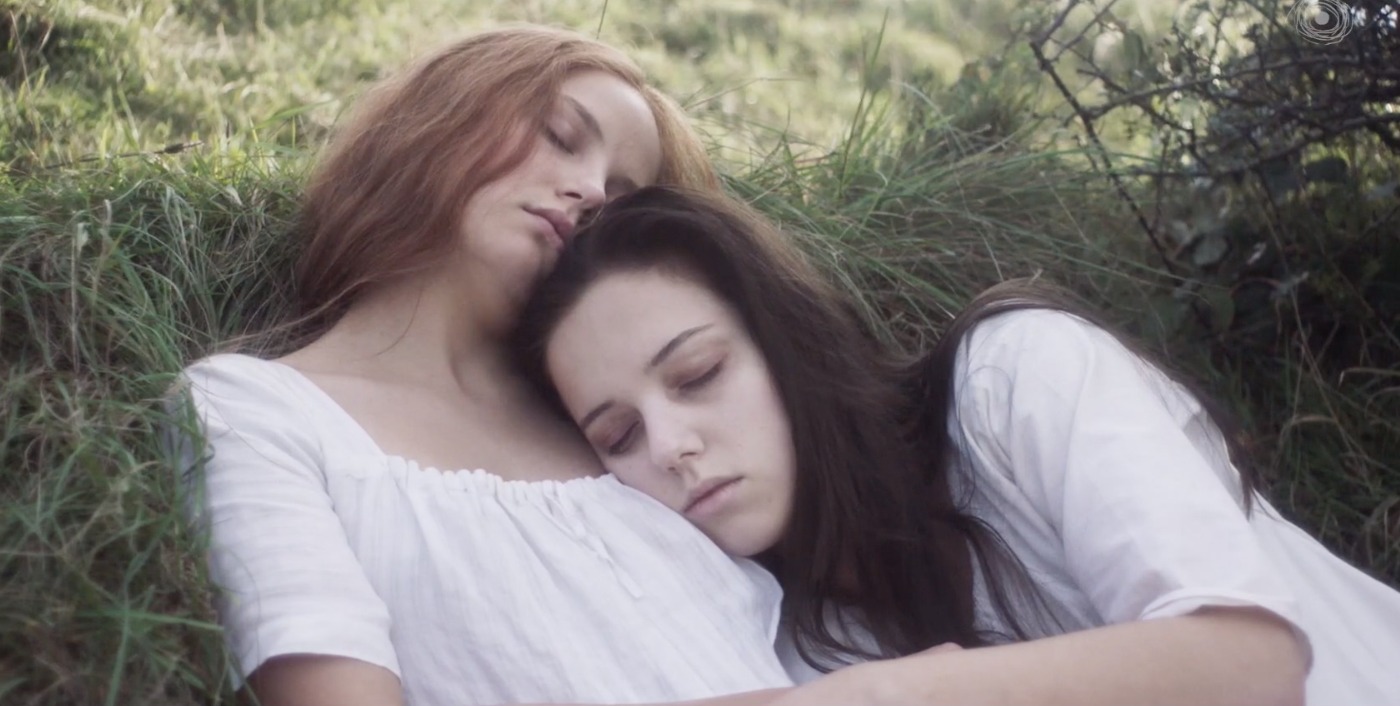
How closely does the script follow the novella? If you made any changes, can you go into why you made them?
Harris: We took a bit of creative license. Some people wanted a literal translation; others loved what I did with it. There were things about it that really chimed with me and things that I felt didn’t need to exist on the screen today. Carmilla has been adapted so many times. It’s become an interpretive art form, the kind of material that people are drawn to time and time again. It’s quite timeless and it seems to depict something new in every era. It’s a story that has relevance especially today with all changes and uncertainty throughout the world.

The subdued Barry Lyndon lighting created an ethereal, ghostly feel to the film. Did this create any production problems?
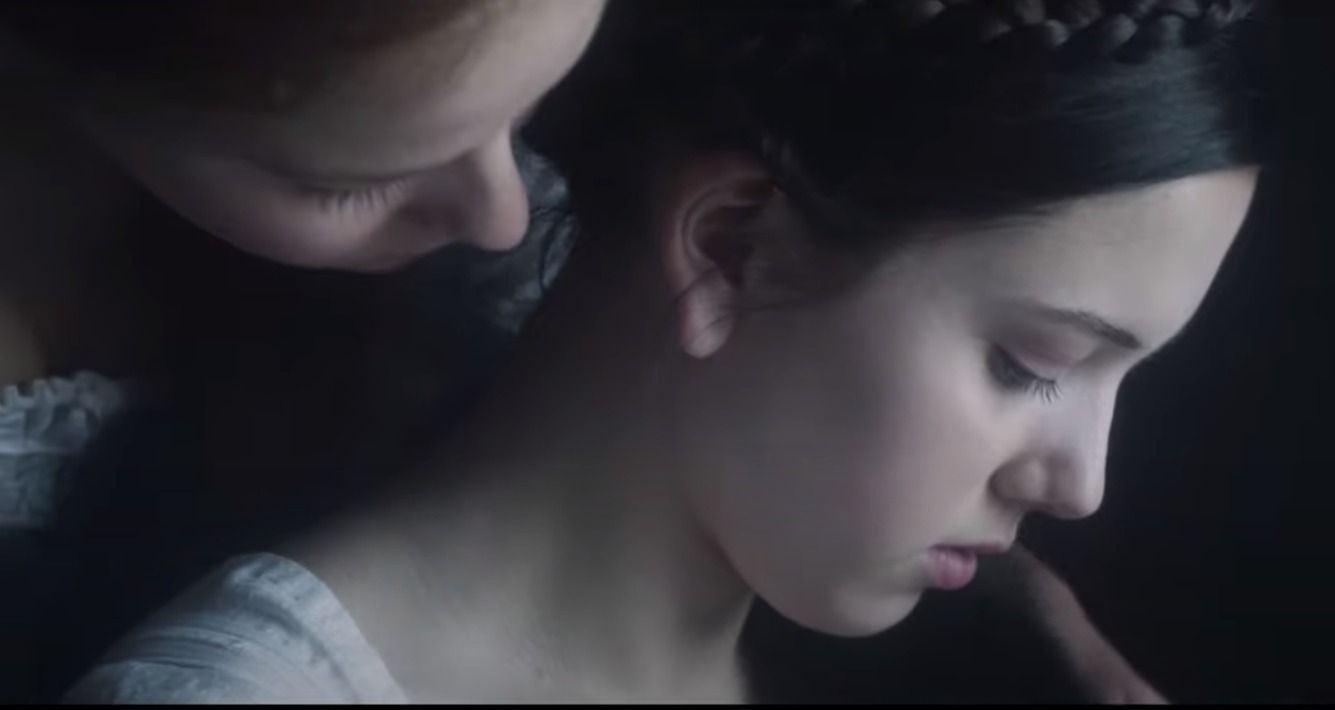
Harris: It was a big effort. And you have to sincerely believe in going with candle lighting. I love film. There’s something alive about it. And there’s something about a flame that you can’t recreate. We arrived at a manifesto where outlined what we were going for and how we would achieve it. We spent a long time researching lenses and we ended up with lenses from Russia made in the 1950s. The way the lenses behaved with flame was really exciting. We had candles inside the frame and augmented that with candles backed by reflective tin foil outside the frame. We kept things intimate and close. We stayed away from those artificial, period wide shots that make you feel that you’re just seeing actors in costume.

The story explores femininity, sexual-social awakening, and other topics. What do you see as its core message?
Harris: That’s a great question. I don’t like to be didactic. I love films that let me find my own message and don’t manipulate me. For me, the film is about exploring first love and sexual awakening. I was interested to see what would happen with Carmilla—if you take away the supernatural layers and the horror element, which has been exploited before. You ask yourself, what are you left with? And you realize it’s this incredible coming-of-age story—that moment in youth when you discover your sexuality. I tried to figure out what a vampire is—like, what is that metaphor? What are we relating to? For me, it didn’t feel scary or demonic but being totally in love for the first time. You want to make a pact with that person, to keep them forever, to get under their skin. So that’s what I was trying to tap into. From the inside, there’s nothing scary about that. And that was my entry point, my access. Once you find that, you start to see the ripple effect of how others view the characters. You’ve got Miss Fontaine who’s faced with a girl who’s discovering her sexuality and she can no longer control that. I found all that very interesting territory because we’ve all navigated that in some way.

Miss Fontaine’s strict moral code appears vulnerable in a brief sexual encounter with Dr. Renquist. What were you going for in revealing this aspect of her character?
Harris: I was asked that so many times about their relationship. And weirdly, women got it but men didn’t. I wanted to address Miss Fontaine using her sexuality as a powerful, primal tool to keep Dr. Renquist from leaving the house. She is sexually repressed and she uses sex as a language to entice Renquist to stay and provide answers to what’s happening with her young charge and Carmilla.
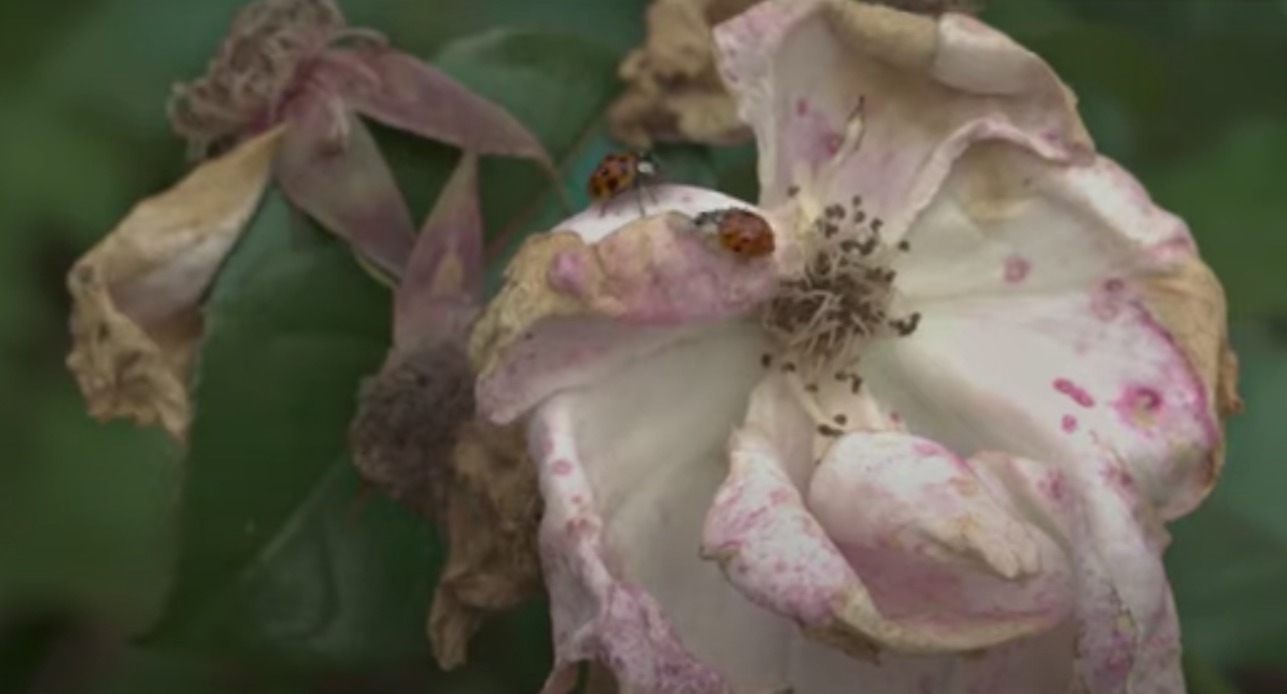
The use of insects is used throughout the film. Can you go into their metaphorical significance?
Harris: Many reviewers were confused by that and have interpreted it in many different ways. They were missing what I was going for. If you only took the insect segments and edited them together, you’d have an experimental film with an arc. It was important to present the insects in the order they were presented. I was exploring the idea that nature can be both beautiful and disgusting—much like human nature. The perspective of those nature shots dovetails with our perspective of Carmilla and Lara and how we perceive them. When you’re inside their love affair, it makes sense; when you’re outside, it makes no sense. It allows viewers in with their attitudes.
What were you going for in showing Lara ripping into that man’s stomach?”
Harris: It has to do with Lara’s subconscious brooding sexuality. It’s Lara dreaming about this door-to-door salesman and her infatuation with him. But she then substitutes Carmilla for the guy, transposing her crush onto Carmilla. She peels off his clothes and can’t seem to stop when she gets to his skin. It’s a visceral desire to get so close to someone that you want to get under their skin.
Can you go into some of the challenges you faced in directing this film?
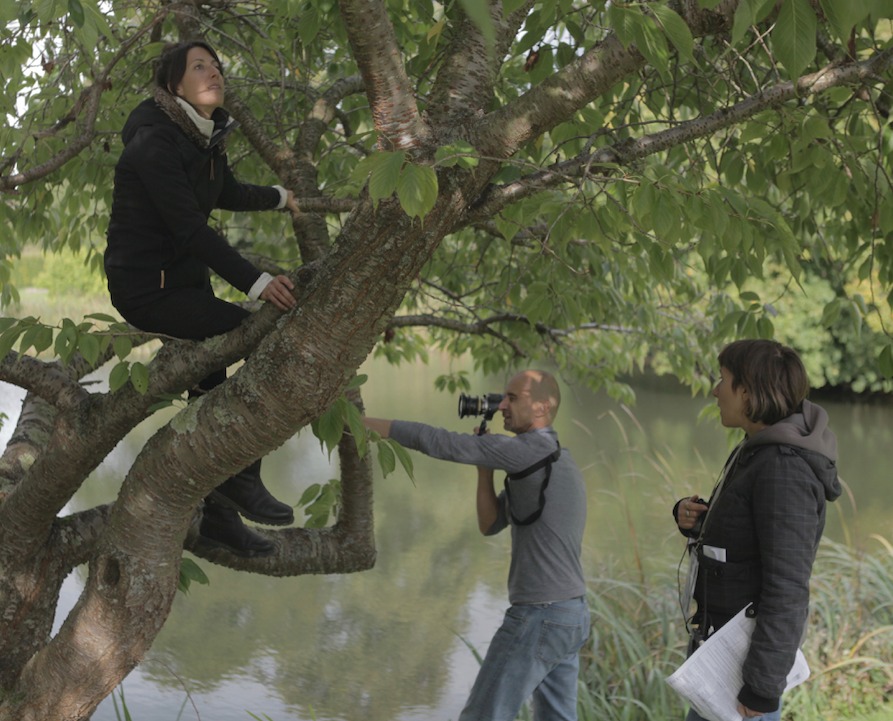
Harris: We had to make it on a low budget. The costumes, the props, the color of the walls, the garden—everything had to be meticulously detailed. Working with young girls, we had to make sure there weren’t too many men around in those intimate love scenes.
What types of films do you like to work on? And what’s next for you?
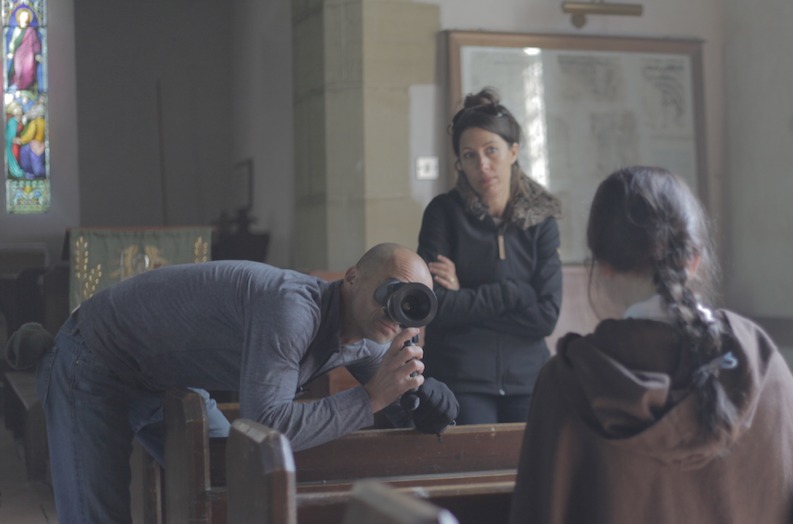
Harris: Gothic films are not my natural go-to genre. But there’s something lovely and exciting about exploring new territory. And as filmmakers, we don’t often get to do that. I’ve written another script about a woman turning 50. It’s a modern-day coming-of-age story about middle age, about reinventing yourself and forging a new identity. I wrote another script based on a character that Ibsen created called Hilda, for which I’ve created a character and a new story. I love material that’s slightly heightened, that takes you out of reality to tell a bigger truth. And that can be any genre.

Alex A. Kecskes is a published author of "Healer a Novel" and "The Search for Dr. Noble"—both now available on Amazon. He has written hundreds of film reviews and celebrity interviews for a wide variety of online and print outlets. He has covered red carpet premieres and Comic-Con events for major films and independent releases.