





It’s what we’ve heard all along: Eating lots of fruits and vegetables is the key to good health. But recent research suggests this may not reduce your risk of developing cancer. In fact, if you want to live a long healthy life you’ll have to do more than just eat veggies and fruits. You also have to cut down or eliminate smoking, heavy drinking, and drug use. Cutting out these carcinogenic habits can help increase your body’s resistance to heart disease and cancer. Maintaining a healthy weight and exercise also helps.
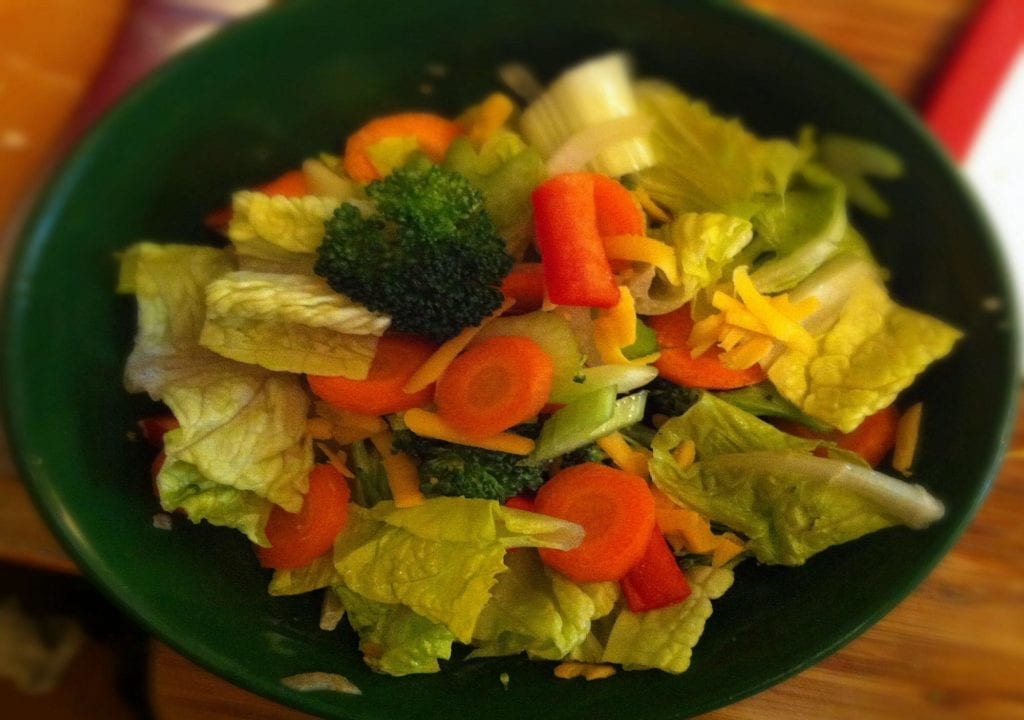
A leading epidemiologist from Oxford University noted that the amount of fruit and vegetables we eat might not reduce our overall cancer risk—including cancers of the gastrointestinal tract, lung, and breast. Yes, we need fruits and vegetables to prevent nutrient deficiencies, but eating more of these foods won’t make you immune to disease.
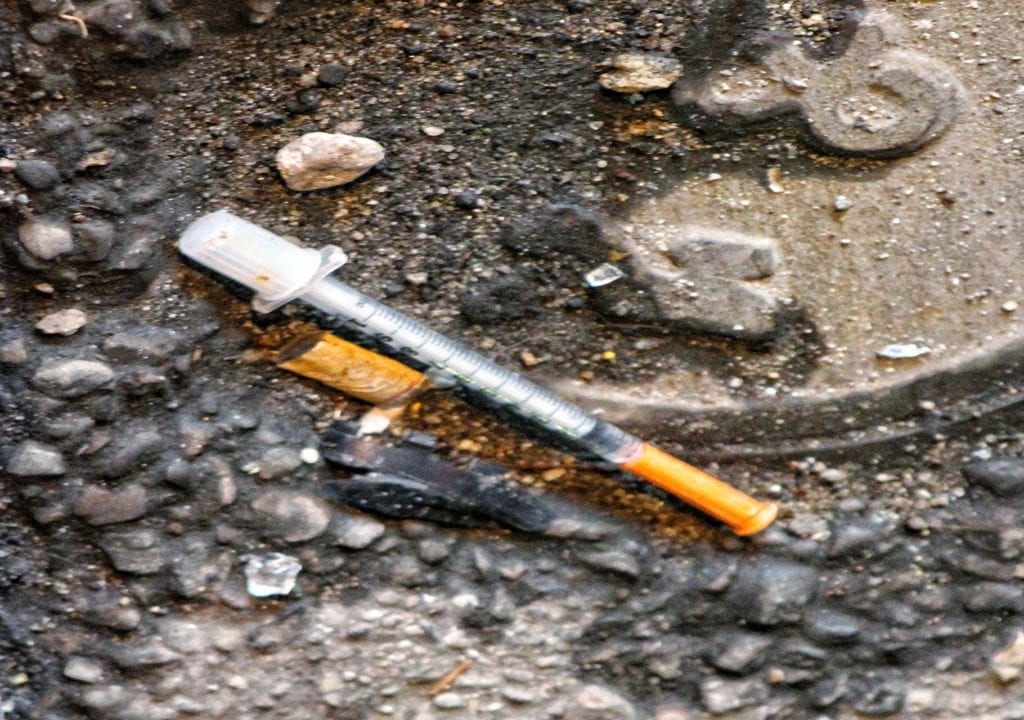
Initial studies of small groups of people revealed that the consumption of fruits and vegetables might reduce cancer risk. The problem is that these studies included people who also cut back on smoking. Study results often depend on how people are selected for these study control groups. Many who take part in these studies already practice health-conscious behaviors. Many who eat foods considered unhealthy rarely volunteer for these types of studies.

A far more revealing method of determining the relationship between diet and cancer is through “prospective studies.” These studies will follow thousands of people who are cancer free. What’s deemed more accurate is to study what these healthy people eat and then follow them until they succumb to cancer. Smokers, heavy drinkers, drug users and those who are morbidly obese should be excluded from these studies.

Most doctors recommend that people eat up to five portions of fruits and vegetables every day. This not only makes it easier for people to lose weight but reduces the risk of becoming obese, a major contributor to cancer. A number of studies also revealed that eating vegetables regularly might lower your risk for cardiovascular disease. What has also come to light is that certain vegetables possess potent, cancer-fighting compounds. For heavy drinkers, eating vegetables can further reduce their risk of developing some types of cancers.
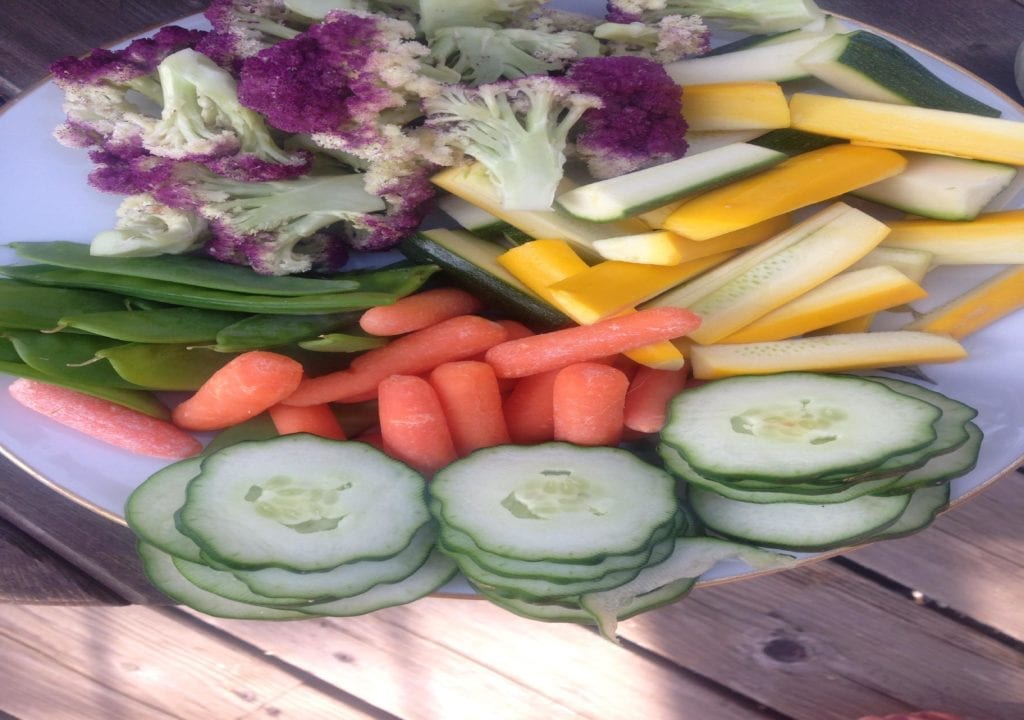
One should be mindful that some studies might not show that eating certain vegetables and fruits can reduce the risk of developing cancer. For example, ingredients like lycopene from tomatoes may lower prostate cancer risk. Other studies may evaluate the effects of vegetable consumption in adults but not those consumed during childhood or teens, which could affect results.

Alex A. Kecskes is a published author of "Healer a Novel" and "The Search for Dr. Noble"—both now available on Amazon. He has written hundreds of film reviews and celebrity interviews for a wide variety of online and print outlets. He has covered red carpet premieres and Comic-Con events for major films and independent releases.