
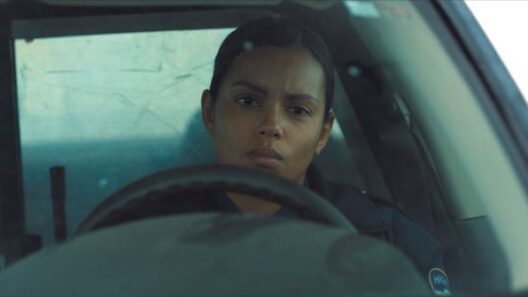



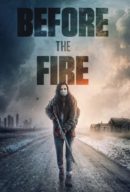
 An Emerson College graduate, twice SAG award nominated Jenna Lyng Adams works both in front and behind the camera as actor/producer in Los Angeles. Known for her outstanding performance as Darshani in the Golden Globe-winning Netflix comedy The Kominsky Method, Adams also vividly portrayed Kate in the crime/drama/mystery Uncle John. She has produced music videos for major artists and digital content for a long list of big brands garnering millions of views online. Adams recently penned a dark comedy TV pilot for HBO Max called So Much.
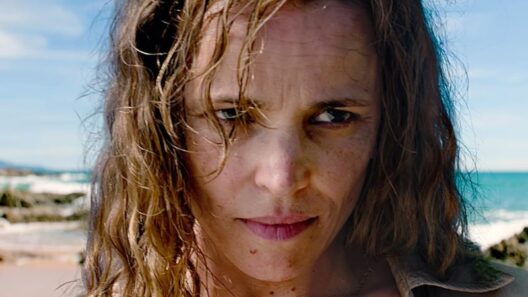
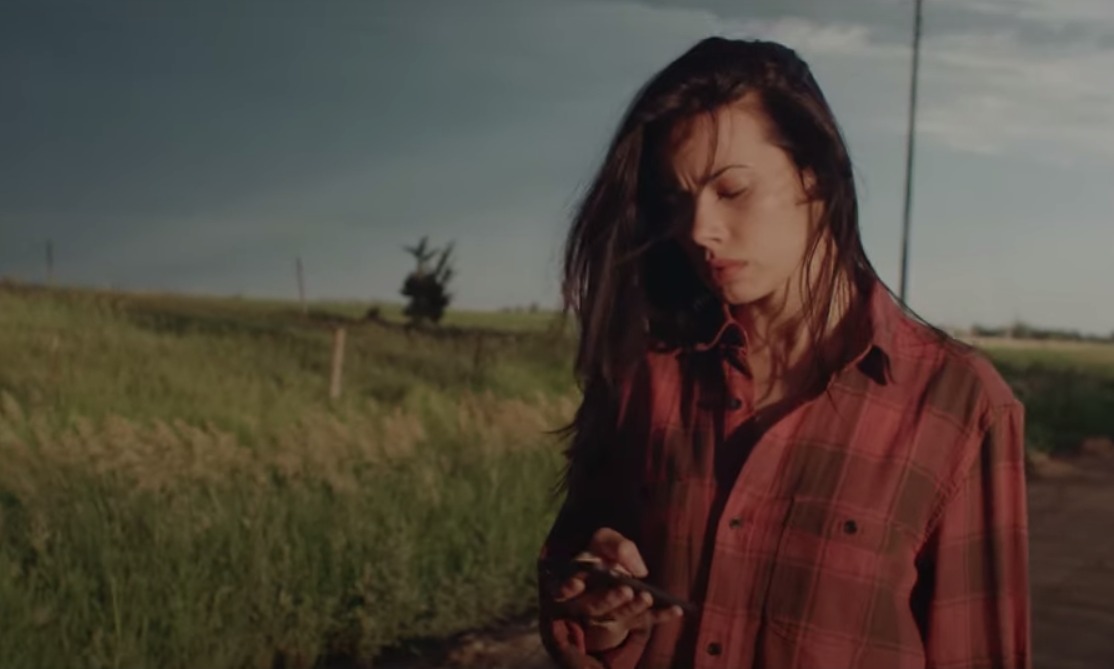
In the indie Before the Fire, Adams is Ava Boone, a woman forced to flee the pandemic chaos in Los Angles. When she returns to her rural hometown, she confronts a past filled with danger and hate. In this one-on-one interview, Adams speaks to the unique challenges she faced as writer and actor in this compelling film.
As the writer in this film, what was the creative kernel that set this story in motion?
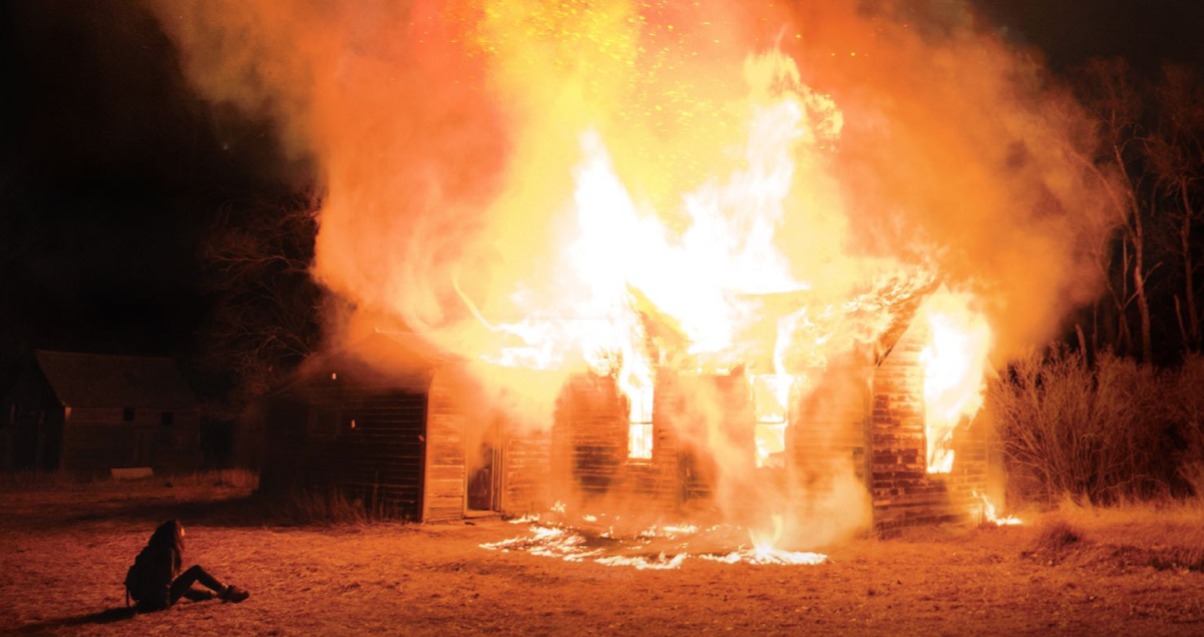
Jenna Lyng Adams: In 2014, I wrote this dystopian, high concept, post-apocalyptic script. But I realized it would be impossible to build these elaborate sets and create this dystopian world on a microbudget. So that got the ball rolling for this pandemic concept. And from there, I’d always wanted to do a story about an actress coming back to her hometown, someone who had created a new life and identity for herself. Then, it kind of merged into a pandemic movie about an actress going back home, facing the trauma of her past. Adding to that, the South Dakota locations really shaped things from that end. We changed things during pre-production and filming. Like the house burning down at the end of the film; originally, that scene was a burning field but when we learned that there was this condemned house that had burned on the farm property, I rewrote the scene to end with the burning house. So we changed things often and we’d fix the sides for the next day based on what we had access to. If we ran out of time, we’d have to work on condensing scenes, making things more compact and give them a lighter footprint. It was a long process based on a lot of different influences.
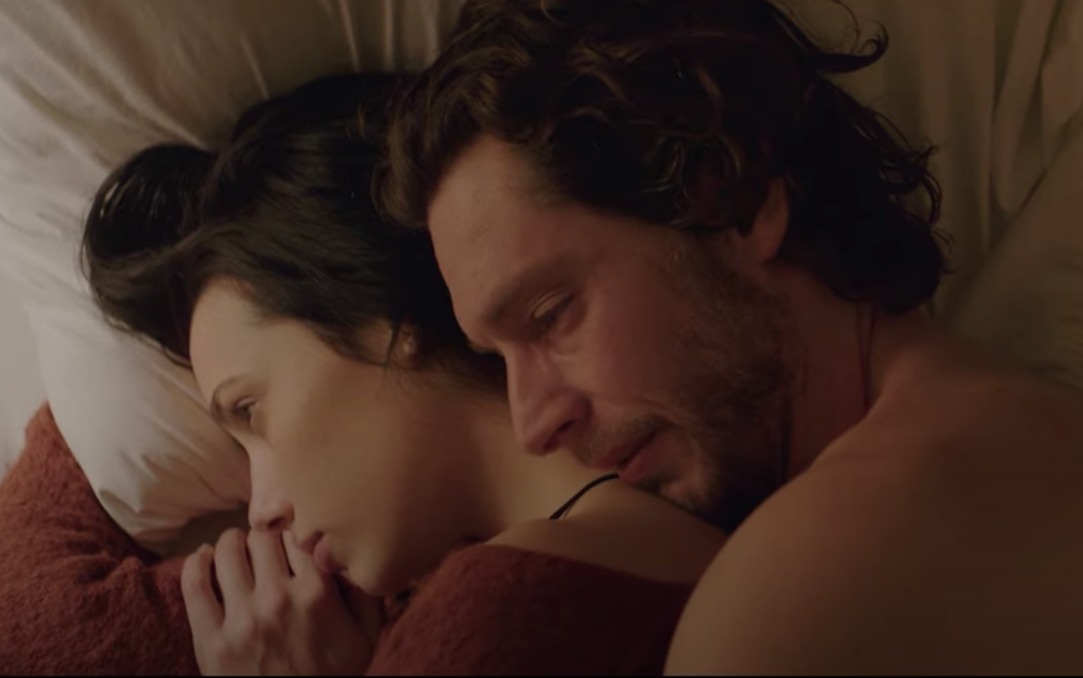
Acting in the film you wrote had to present many challenges. Were there areas where you said, this isn’t working, I have to rewrite this scene or dialog?
Adams: Oh, definitely. Some of the actors were cast from afar; so I hadn’t been able to rehearse with them until the day before shooting. When you find the right person for the part, the dialog may not fit the person going into that character, so I’d have to adjust the dialog as we progressed through filming. And sometimes, we’d have to condense things; so big dialog scenes would end up with characters just looking at something. I’ve been writing since I was a teen, doing films and short plays and I’ve always wanted to combine both types of writing. In this film, I wanted to prove that I could tackle both. I wanted to write something that fit me and challenged me. Something that kind of scared me a bit and I found that exciting.

It must be immensely satisfying to see the words and scenes you’ve written come to life as you act them out on the set.
Adams: Yeah, but sometimes, when you’re acting out what you’ve written, you get attached to things. When you’re only in it as a writer, it’s easy to let go; but as the actor, you pour yourself into a scene and when you’re forced to cut it, there’s this period of mourning when you realize you’ve invested so much emotion into a scene. But if you don’t need it, it has to go.

Segueing from city girl to field hand, Ava had to undergo quite a physical and emotional transition. What was it like getting down and dirty on a farm?
Adams: It was hard work. I did a lot of manual labor. We’d go around the farm and do an entire day’s work. I’m from Minnesota and my family is salt-of-the-earth people. My dad grew up on a farm so I’m not completely new to farming.
What was the biggest challenge you faced in writing the film?
Adams: The restrictions in the film. You only had so many things available to you. We’d have this amazing set-piece and we’d build a scene around it. We always had to consider the production aspect. So I don’t think, I’ll ever write a script like that again. We were fortunate to have the resources we needed. That said, it got me to think on my feet. It was frustrating because there were times when I wished we could have done things a certain way but we couldn’t. At the end of the day, it always came back to the characters. As long as Ava felt grounded in what she was doing and the emotion was there with those quiet moments the characters would have, I felt good about it.

Same question for acting in the film?
Adams: I didn’t have the luxury of just focusing on acting. It feels luxurious when doing other acting jobs where, between takes, you can take some time to get ready or rehearse with your castmates, or just go to your trailer and take a nap. But in this film, I was on all the time, jumping back into Ava, then between takes addressing other production aspects that actors typically aren’t involved in. So as the writer, actor, and producer, I had to wear all these hats.
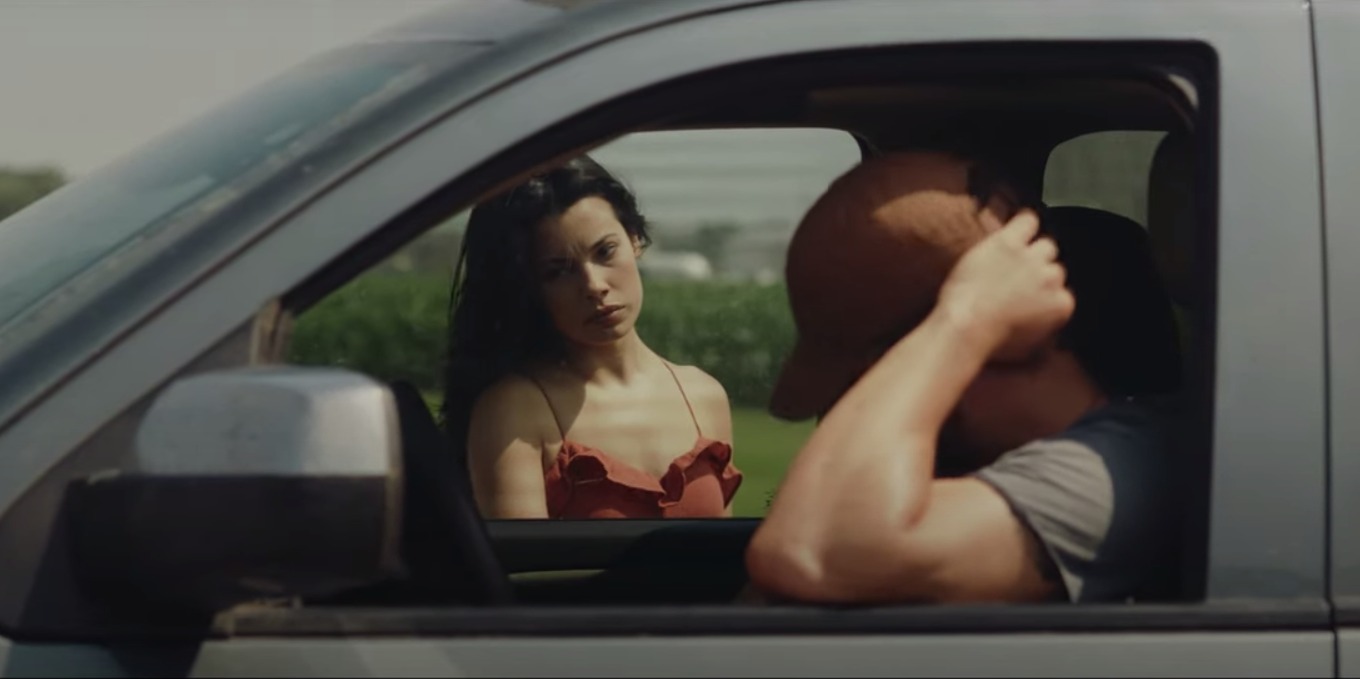
What did you draw from in real life to so convincingly play a woman whose family had disintegrated?
Adams: People watch this film and think I have this complicated relationship with my dad, but he’s the best guy and he’s always supported me. So what I pulled from was dealing with these conflicting identities sometimes. I moved to the east coast, then the west, which makes me feel that I belong everywhere and nowhere at the same time. So I can jump into all these different places and you do that as an actor, stepping into different characters. I’d go home and feel disconnected from the midwestern way of life. I grew up in the suburbs and went to church. I’ve always been interested in identity and how that shapes someone. Sometimes, you look at the darker side of yourself and things that make you uncomfortable. Sometimes you can get away from them, but the things that haunt you always come back. With Ava, I got to explore a lot of that.
Did you have a favorite scene? If so why did you like it?
Adams: It would be where Ava and Max are in the house and she’s telling him about her grandfather’s farmhands that used to live there, what happened to him, and why they left. That was an improvised scene. Originally, it was going to be Max telling her about it. But then we had Ava saying it, which was far more effective because she’d been holding her cards too close to her chest and not opening up to Max. But he hadn’t opened up to her either. They were working off each other’s coldness in a way. Then Ava tells him a secret she’s never told anyone before, letting him into a little piece of her life. It brings up a lot of trauma for her and it melts Max’s tough-guy façade. But when he’s vulnerable, it’s the moment where they bond.
Why did you choose to dovetail a dystopian survivalist tale with a family drama crumbling at its core?
Adams: We didn’t want to make it about the pandemic. It was just the backdrop for this story. But it does add this extra level of interest to the story. We needed to up the stakes to develop the family dynamic. Originally, I thought of having Ava just return to her hometown to make a movie. But these elements by themselves didn’t seem quite enough. When you have a character going through multiple things in the same scene, you should have three things happen to them simultaneously. And that makes it interesting, whether it’s humor or someone trying to juggle all this stuff. I don’t think we would have seen this evolution in Ava without the pandemic element.
The ending sort of left us hanging. Is there a reason you chose to end it the way you did?
Adams: I didn’t want to tie it up in a little bow. I wanted people to feel that she had fulfilled what she needed to do. I wanted to keep this mystery about what’s going to happen. Scientifically, a certain number of people would be immune to this virus.
What can you tell us about HBO Max’s pilot So Much?
Adams: We’re in development, just writing away. It’s a dark comedy about loss, identity, friendship, and sisterhood—all of my favorite things. I’m working with a dream team. My writing partner, Ana, is so talented and we’re close friends. Diablo Cody is our showrunner. I’ve grown a lot since writing Before the Fire because I’m putting a lot of comedy into my stories. I’m getting inspired by all the dark comedies out there. I’m realizing that you can have these dramatic storylines and build levity into them. I’m sure I’ll go back to gritty dramas again.
What were you like in high school? The girl most likely to…?
Adams: Move away (laughs). I was in AP classes and got good grades. I was a little bit of a contradiction. I knew I’d be leaving as soon as I graduated. I think I had my foot out the door for most of high school.
See the trailer Before the Fire:

Alex A. Kecskes is a published author of "Healer a Novel" and "The Search for Dr. Noble"—both now available on Amazon. He has written hundreds of film reviews and celebrity interviews for a wide variety of online and print outlets. He has covered red carpet premieres and Comic-Con events for major films and independent releases.

